
Preparing your home for sale involves more than simply choosing an asking price. The right improvements can make a property more appealing, strengthen its market position and potentially increase the price buyers are willing to pay.
For homeowners considering selling in York, understanding local buyer preferences is particularly important. With the help of property market insights in York, estate agents like Hunters York can provide real local property-market guidance. It can help sellers identify which features are attracting interest among prospective buyers.
However, not every renovation delivers a worthwhile return. The objective should be to prioritise improvements that enhance functionality, presentation and overall desirability without spending unnecessarily.
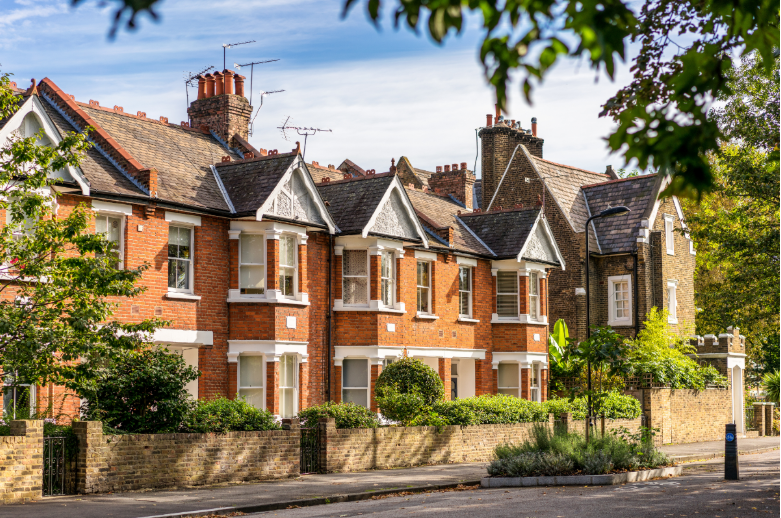
Improving Kerb Appeal and First Impressions
The exterior of your property creates the first impression, often before prospective buyers step through the front door.
Simple improvements can make a considerable difference. Consider repainting the front door, cleaning windows, tidying pathways and maintaining the garden. Repair damaged fencing and ensure outdoor lighting works properly.
If the property’s exterior brickwork or pointing needs attention, addressing these issues can also improve its appearance.
A well-maintained entrance suggests that the property has been cared for, helping establish buyer confidence from the outset.
Refreshing Kitchens and Bathrooms
Kitchens and bathrooms are important considerations for many buyers because they are expensive and disruptive spaces to renovate.
However, a complete replacement is not always necessary.
In kitchens, replacing cupboard handles, updating worktops, refreshing splashbacks and improving lighting can create a more contemporary appearance. Bathrooms can benefit from new taps, fresh grouting, modern mirrors and improved ventilation.
Prioritise cleanliness and functionality. These improvements can make the property feel more inviting without requiring substantial expenditure.
Improving Energy Efficiency
Energy efficiency has become an increasingly important consideration for homeowners and prospective buyers.
Properties with better insulation, efficient heating systems and suitable glazing may offer lower running costs and improved comfort.
Consider improvements such as:
- Loft and cavity wall insulation, where appropriate.
- Modern double or triple glazing.
- Energy-efficient boilers or heating systems.
- Smart heating controls.
- Draught-proofing doors and windows.
Review your property’s Energy Performance Certificate (EPC) to identify recommended improvements.
Energy-efficient upgrades can improve buyer appeal, although their financial return will depend on the property and local demand.
Redecorating and Creating a Neutral Interior
Fresh decoration can transform how buyers perceive a property.
Neutral colours such as warm whites, soft greys and understated beige can make rooms feel brighter and more spacious. They also allow prospective buyers to imagine their own furniture and belongings within the space.
Repair visible wall damage, refresh tired paintwork and replace heavily worn flooring where necessary.
Avoid overly distinctive decorative choices immediately before selling. A restrained interior palette generally appeals to a broader audience.
Maximising Space and Improving Room Layouts
Buyers often value practical living arrangements as much as overall floor space.
Removing unnecessary furniture, improving storage and rearranging rooms can make a property feel considerably larger.
Consider whether an underused dining room could become a home office or whether awkward furniture placement is restricting movement.
Good spatial planning helps buyers understand how each room can be used. Even modest adjustments can improve the property’s perceived functionality.
Adding Usable Living Space
Creating additional living space can potentially increase a property’s value, particularly when it addresses a genuine shortage of accommodation.
Popular improvements include:
- Loft conversions.
- Rear or side extensions.
- Garage conversions.
- Garden rooms.
- Additional bathrooms.
However, these projects involve substantial expenditure and may require planning permission or building regulations approval.
Before committing, compare the anticipated cost with the likely increase in market value. The most profitable improvement is not necessarily the largest one.
Improving Gardens and Outdoor Areas
Outdoor space can be an attractive feature, particularly for families and buyers who enjoy entertaining.
A well-maintained garden does not need elaborate landscaping. Clear overgrown areas, trim hedges, repair fencing and create defined spaces for seating or dining.
For smaller gardens, practical layouts and low-maintenance planting can make the space more appealing.
If you have a patio or decking area, ensure it is clean, safe and in good condition.
Addressing Essential Repairs and Maintenance
Visible defects can undermine buyer confidence and potentially affect negotiations.
Before marketing your property, address issues such as leaking taps, damaged roof tiles, faulty electrical fittings, loose handles and signs of damp.
Buyers may interpret neglected maintenance as an indication of more substantial underlying problems.
Where specialist work is required, obtain appropriate professional assessments and retain relevant invoices, guarantees and certificates.
A well-maintained property can make the conveyancing and negotiation process more straightforward.
Considering Smart Home Improvements
Technology can add convenience and appeal to modern buyers.
Smart thermostats, video doorbells, security systems and programmable lighting are examples of features that may improve everyday functionality.
However, avoid investing heavily in technology that may not appeal to every buyer.
Prioritise practical upgrades that are easy to operate and compatible with standard household systems.
Understanding Which Renovations Offer the Best Return
Not every improvement will increase your property’s value by more than it costs.
Before starting a project, consider:
- The property’s current condition and market position.
- The typical expectations of local buyers.
- The cost of materials and professional installation.
- Whether the improvement addresses an existing weakness.
- Comparable properties and their selling prices.
It is also worth obtaining an estate agent’s opinion before undertaking expensive renovations. Local market knowledge can help distinguish between improvements that genuinely influence buyer demand and those that simply reflect personal taste.
Conclusion: Investing Wisely Before Selling
Increasing your property’s appeal before selling does not necessarily require a major renovation.
Improvements to kerb appeal, kitchens, bathrooms, energy efficiency and general maintenance can all help create a positive impression. Additional living space may also offer value where local demand supports the investment.
The key is to understand what prospective buyers are likely to appreciate and prioritise improvements accordingly.
By combining sensible preparation with realistic market advice, you can present your property at its best while avoiding unnecessary expenditure before your sale.