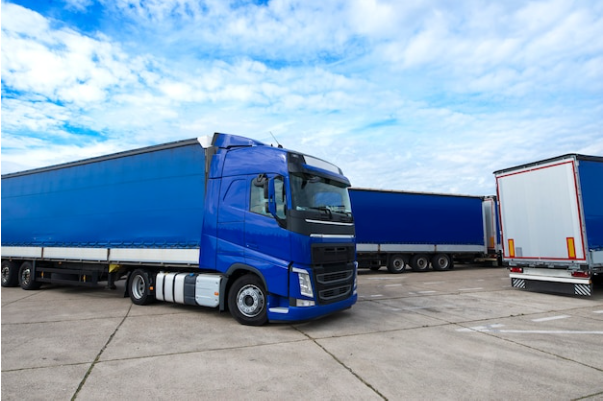

Transporting oversized or overweight loads requires special permissions to ensure road safety and compliance with state and federal regulations. Applying for oversize permits may seem complicated, but following a step-by-step approach makes the process smooth and efficient. Whether you’re a professional trucker, fleet manager, or contractor, understanding the procedure is essential for legal and safe transport.
Step 1: Determine Load Specifications
Before applying for an oversize permit, gather all details about your load. Measure the dimensions, including length, width, height, and weight.
Some states have specific limits, and exceeding these thresholds triggers the need for a permit. Accurate measurements are crucial, as incorrect or incomplete information can lead to delays, fines, or denied permits.
Step 2: Identify State Regulations
Oversize and overweight regulations vary by state. Research the requirements of the states your load will travel through, including specific limitations, allowable travel times, and required safety equipment.
Many states provide online resources or permit offices where you can access guidelines for oversize permits. Being informed about regulations helps prevent unexpected obstacles during transit.
Step 3: Choose the Type of Permit
There are different types of oversize permits depending on the nature of your load and route. Single-trip permits allow one-time transport, while continuous or annual permits cover repeated trips.
Some permits are designed for specific load categories, such as heavy machinery or modular homes. Selecting the correct permit ensures compliance and avoids complications during inspections or enforcement stops.
Step 4: Prepare Documentation
Applying for oversize permits requires thorough documentation. This typically includes a detailed description of the load, route maps, vehicle specifications, and insurance information.
Some states may also require proof of vehicle inspection or pilot/escort vehicles. Having all documents ready before submission speeds up the application process and increases the likelihood of approval.
Step 5: Submit the Application
Many states allow online applications for oversize and overweight permits, while others may require paper forms submitted by mail or in person. Carefully fill out the application, ensuring all measurements, vehicle details, and route information are accurate.
Double-check for errors, as mistakes can delay approval. Once submitted, keep a copy of the application for your records. It’s also helpful to follow up with the permit office to confirm receipt and check the estimated processing time.
Step 6: Await Approval and Receive Permit
After submission, the permit office reviews your application and verifies compliance with regulations. Depending on the state, processing may take a few hours to several days.
Once approved, you will receive the official oversize permits, often electronically or by mail. Ensure you carry the permit during transit, as law enforcement may request to see it at any time.
Conclusion
Applying for oversize permits requires careful planning, documentation, and knowledge of regulations. By following these steps, determining load specifications, understanding state rules, selecting the correct permit, preparing documents, submitting the application, awaiting approval, and executing the route, you can transport oversized and overweight loads safely and legally. Proper preparation helps prevent fines, delays, and other complications, ensuring a smooth and compliant journey.