
Step 1: Understanding What Rapeseed Oil Really Is
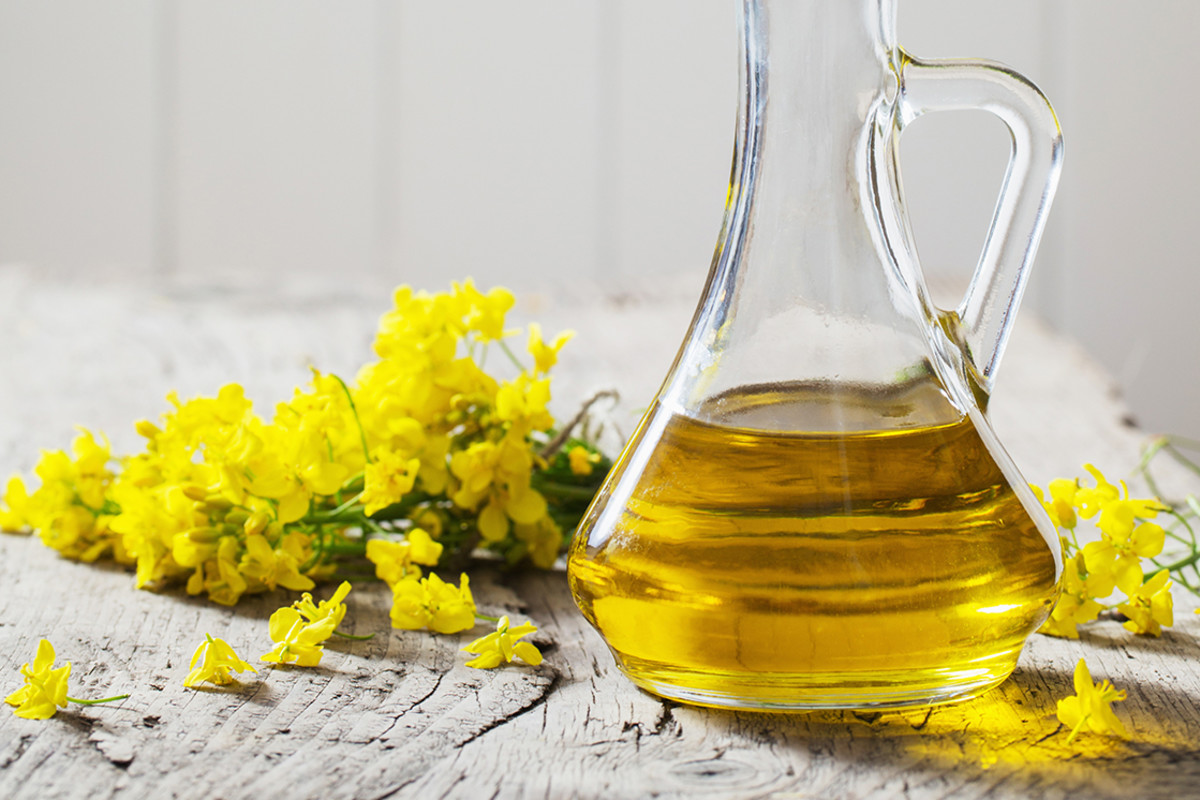
Rapeseed oil is a vegetable oil extracted from the seeds of the rapeseed plant, which belongs to the mustard family. In many countries, especially in Europe and parts of Asia, rapeseed oil is commonly used for everyday cooking. In some regions, it is also known as canola oil, though there are slight differences in processing and standards. When people ask Is Rapeseed Oil Healthy? Benefits, Facts, and Myths Explained, they are often trying to understand whether this widely used oil deserves its reputation as a heart-friendly cooking option or if it hides potential health risks.
Rapeseed oil has a mild flavor, light texture, and high smoke point, making it suitable for frying, sautéing, baking, and salad dressings. Because it is plant-based and relatively affordable, it has become a staple in many households. However, popularity alone does not guarantee health benefits, so it is important to look closely at what this oil contains and how it affects the body.
Step 2: Nutritional Profile of Rapeseed Oil

To judge whether rapeseed oil is healthy, the first step is understanding its nutritional composition. Rapeseed oil is low in saturated fat compared to many other cooking oils. Saturated fat is linked to increased cholesterol levels when consumed in excess, so oils with lower saturated fat content are generally considered better for heart health.
One of the strongest points in favor of rapeseed oil is its balance of fats. It contains a high amount of monounsaturated fats, similar to olive oil, which are associated with improved cholesterol levels. It also provides omega-3 and omega-6 fatty acids, essential fats that the body cannot produce on its own. These fats play a role in brain function, inflammation control, and cardiovascular health. When people search Is Rapeseed Oil Healthy? Benefits, Facts, and Myths Explained, this balanced fat profile is often cited as one of its biggest advantages.
Step 3: Heart Health Benefits Explained
Heart health is one of the most common reasons people consider switching to rapeseed oil. Research suggests that replacing saturated fats with unsaturated fats can help lower bad cholesterol levels. Rapeseed oil’s high monounsaturated fat content supports this shift and may reduce the risk of heart disease over time.
Additionally, the presence of omega-3 fatty acids helps reduce inflammation in the body, which is linked to heart problems. Unlike some vegetable oils that are heavy in omega-6 fats alone, rapeseed oil offers a more favorable ratio. This balance is important because excessive omega-6 intake without enough omega-3 can promote inflammation rather than reduce it. For those wondering Is Rapeseed Oil Healthy? Benefits, Facts, and Myths Explained, its heart-friendly fat structure is a major reason nutrition experts often recommend it in moderation.
Step 4: Cooking Stability and Smoke Point
Another important factor in evaluating cooking oils is how they behave when heated. Rapeseed oil has a relatively high smoke point, meaning it can withstand higher temperatures without breaking down and releasing harmful compounds. This makes it suitable for frying and roasting, unlike some oils that oxidize quickly under heat.
When oils overheat, they can produce free radicals that may contribute to cell damage. Rapeseed oil’s stability reduces this risk when used correctly. Its neutral taste also allows it to blend well with various dishes without overpowering flavors. People exploring Is Rapeseed Oil Healthy? Benefits, Facts, and Myths Explained often find reassurance in its versatility and safety for common cooking methods.
Step 5: Vitamins and Antioxidants

Rapeseed oil contains vitamin E, a powerful antioxidant that helps protect cells from oxidative stress. Vitamin E supports immune function and skin health while also playing a role in reducing inflammation. Although rapeseed oil is not as rich in antioxidants as extra virgin olive oil, it still provides a meaningful amount that contributes to overall wellness.
Antioxidants help counteract free radicals in the body, which are linked to aging and chronic diseases. Including oils that offer both healthy fats and antioxidant protection can be beneficial when building a balanced diet. This aspect adds another layer to the discussion around Is Rapeseed Oil Healthy? Benefits, Facts, and Myths Explained, especially for people seeking simple dietary improvements.
Step 6: Common Myths About Rapeseed Oil
Despite its benefits, rapeseed oil is surrounded by several myths. One common misconception is that it is highly toxic due to erucic acid content. While older varieties of rapeseed did contain high levels of erucic acid, modern food-grade rapeseed oil is carefully regulated and contains only trace amounts considered safe for consumption.
Another myth suggests that all rapeseed oil is overly processed and therefore unhealthy. While refined versions do go through processing, cold-pressed rapeseed oil is also available and retains more natural nutrients. Understanding these distinctions helps clarify confusion and supports informed choices. Many people asking Is Rapeseed Oil Healthy? Benefits, Facts, and Myths Explained are often reacting to outdated or misleading information.
Step 7: Rapeseed Oil vs Other Cooking Oils
Comparing rapeseed oil to other popular oils helps put its health value into perspective. Compared to butter or ghee, rapeseed oil has significantly less saturated fat. When compared to sunflower or corn oil, it usually offers better omega-3 content. Olive oil remains a top choice for raw use due to its antioxidants, but rapeseed oil performs better at higher cooking temperatures.
Each oil has strengths and ideal uses. Rapeseed oil stands out as an all-purpose option that balances affordability, nutrition, and cooking performance. This comparison often answers the practical side of Is Rapeseed Oil Healthy? Benefits, Facts, and Myths Explained for everyday home cooks.
Step 8: Potential Downsides to Consider
No oil is perfect, and rapeseed oil is no exception. Highly refined versions may lose some nutrients during processing. Additionally, consuming any oil in excess can lead to unwanted calorie intake and weight gain. Moderation remains key, even with healthier fat sources.
Some people prefer to avoid refined oils altogether and choose cold-pressed varieties instead. While these options may cost more, they offer a cleaner flavor and slightly higher nutrient retention. A balanced view is essential when evaluating Is Rapeseed Oil Healthy? Benefits, Facts, and Myths Explained, as health depends not only on the oil itself but also on overall dietary habits.
Step 9: How to Use Rapeseed Oil in a Healthy Way
Using rapeseed oil wisely can maximize its benefits. It works well for sautéing vegetables, shallow frying, baking, and even homemade salad dressings. Combining it with other healthy fats, such as olive oil or nuts, can create a more diverse nutrient profile.
Portion control also matters. Even healthy oils are calorie-dense, so using them in reasonable amounts supports long-term wellness. When people seriously explore Is Rapeseed Oil Healthy? Benefits, Facts, and Myths Explained, they often realize that balance and variety matter more than relying on a single ingredient.
Step 10: Final Verdict on Rapeseed Oil
After examining nutrition, cooking stability, myths, and comparisons, the answer becomes clearer. Rapeseed oil can be a healthy choice when used in moderation and as part of a balanced diet. Its low saturated fat, beneficial fatty acids, and versatility make it suitable for everyday cooking.
The question Is Rapeseed Oil Healthy? Benefits, Facts, and Myths Explained does not have a simple yes or no answer, but the evidence strongly supports its role as a heart-friendly option for most people. Choosing quality versions, avoiding overuse, and maintaining dietary variety are the keys to making rapeseed oil work in your favor.
Conclusion
Rapeseed oil has earned its place in modern kitchens due to its nutritional balance, affordability, and cooking flexibility. While myths and misunderstandings persist, current evidence shows that it can support heart health and overall wellness when used correctly. Understanding how and why it works allows you to make informed decisions rather than relying on fear or trends. For anyone still asking Is Rapeseed Oil Healthy? Benefits, Facts, and Myths Explained, the answer lies in moderation, quality, and context within a healthy lifestyle.