
Introduction
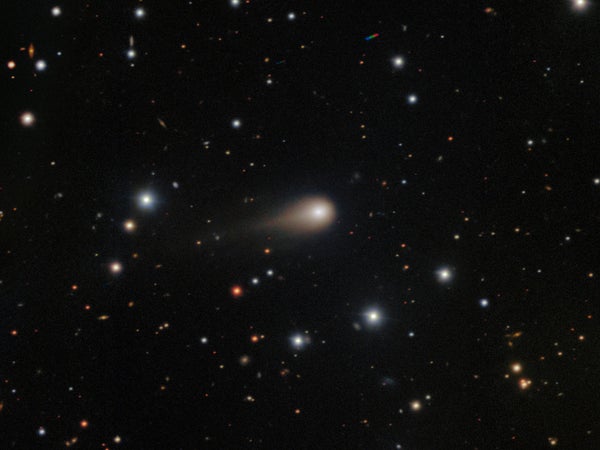
Finding things that come into our solar system from interstellar space has changed astronomy forever. For hundreds of years, scientists thought that all the comets and asteroids we saw from Earth were formed in our own solar system. That belief altered a lot in the last several years when scientists found things that came from places far outside the Sun’s gravitational pull. “Interstellar comet 3I ATLAS NASA” is one of the names that has come up in scientific talks and popular interest. The word may sound technical, but it covers a bigger and more interesting topic: how astronomers find visitors from other stars, how NASA investigates them, and why they are important for understanding the universe.
3I, an interstellar comet After the verified findings of 1I/ʻOumuamua and 2I/Borisov, ATLAS is often talked about as a possible name for a third interstellar object that has been seen passing through our solar system. The scientific method that surrounds these kinds of things is useful even when they are still being studied. It shows how important improved survey systems are, how NASA is involved in data analysis, and how people are getting better at seeing cosmic travelers that originated around other stars.
Comprehending Interstellar Objects
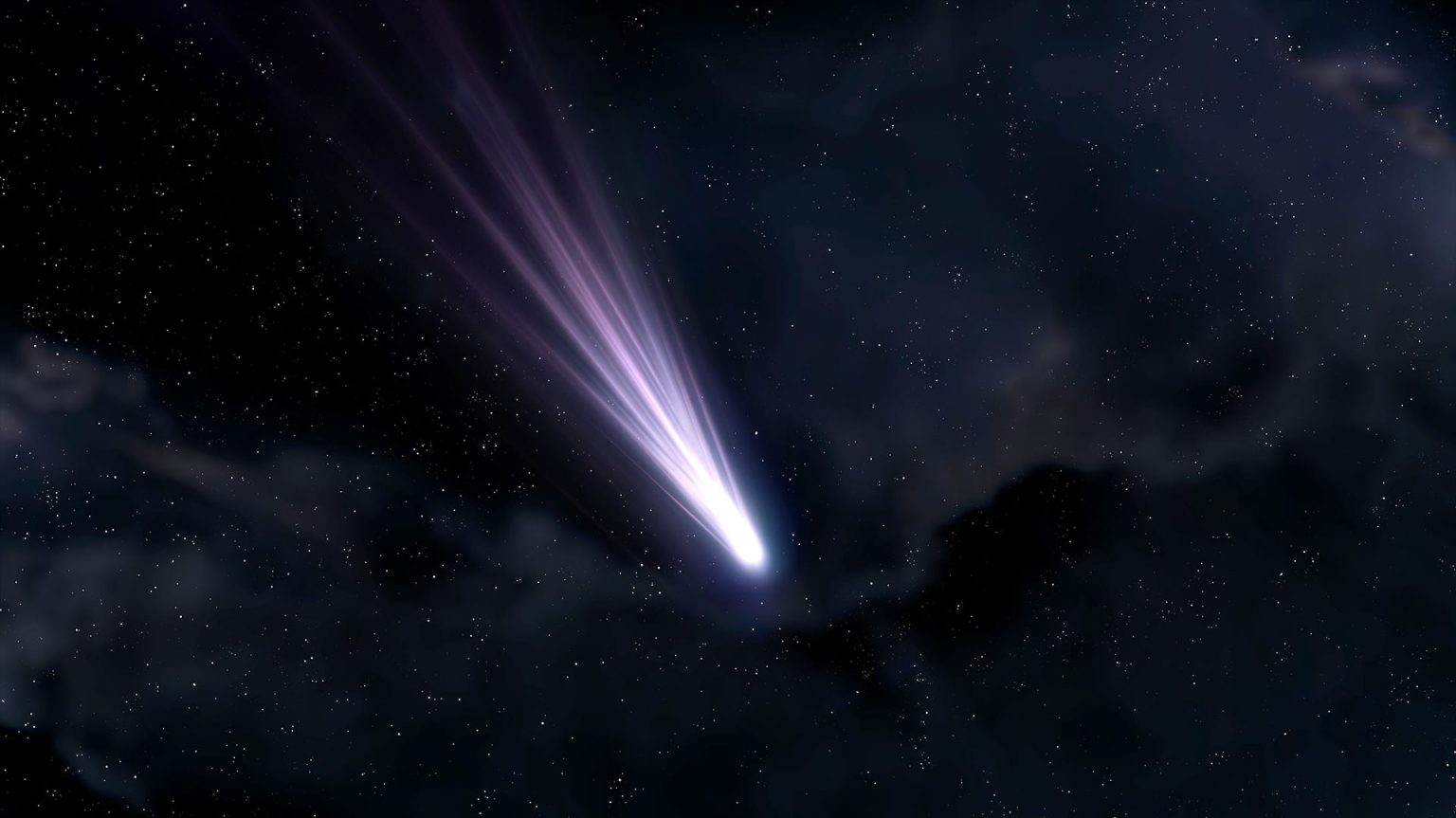
An interstellar object is a natural body, such a comet or asteroid, that comes from outside our solar system and moves through it in a hyperbolic path. Interstellar objects move too quickly for the Sun’s gravity to hold them in place, unlike most comets, which follow elliptical orbits around the Sun. Their tracks show that they came from a different star system and will leave our solar neighborhood for good.
The idea of visitors from other stars was previously just a theory. Astronomers thought they would be there, but it was very hard to find them since they are small, dim, and move quickly. It was only able to find these kinds of things with confidence because to contemporary sky surveys and sophisticated detectors. The conversation about interstellar comet 3I ATLAS falls within this scientific environment. Each possible detection helps us better understand how prevalent interstellar debris may be in the galaxy.
The Part ATLAS Plays in Finding
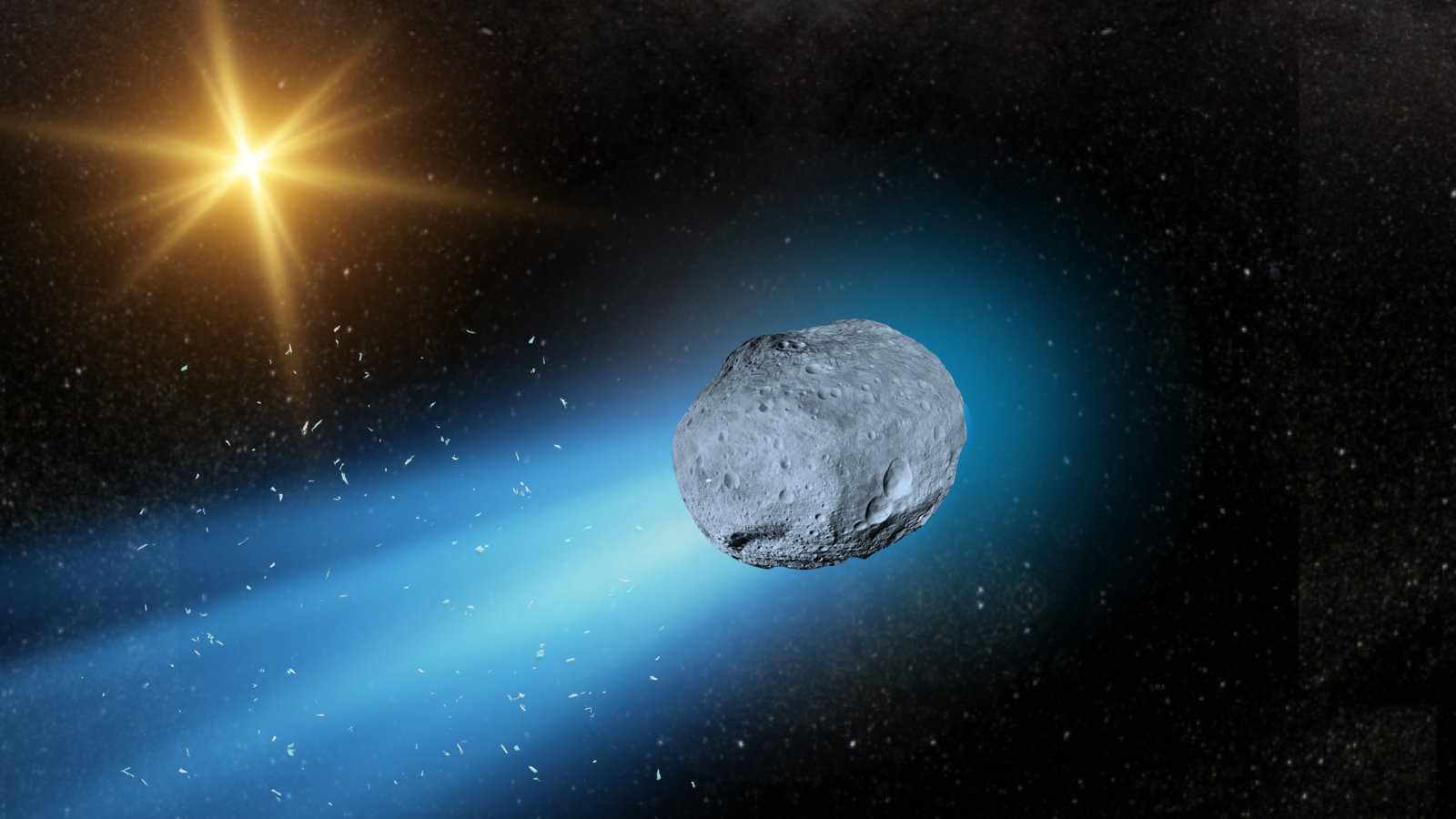
NASA paid for the ATLAS survey project, which stands for Asteroid Terrestrial-impact Last Alert System. Its main goal is to find near-Earth asteroids that could be dangerous to our planet. ATLAS uses automated telescopes to scan the sky on a regular basis and compare photos to find moving objects. Its main purpose is to protect planets, but it is also quite good at finding strange objects, such as possible visitors from other stars, because it covers a lot of ground and processes data quickly.
When astronomers say that an object might be “3I ATLAS,” they usually mean that the ATLAS system helped them find it. The “3I” name follows the naming rules of the International Astronomical Union for objects that are between stars. “I” stands for “interstellar.” The word is not official yet, but it shows how excited scientists are about a possibility that may have arrived from outside our solar system.
NASA’s Role and Scientific Proof
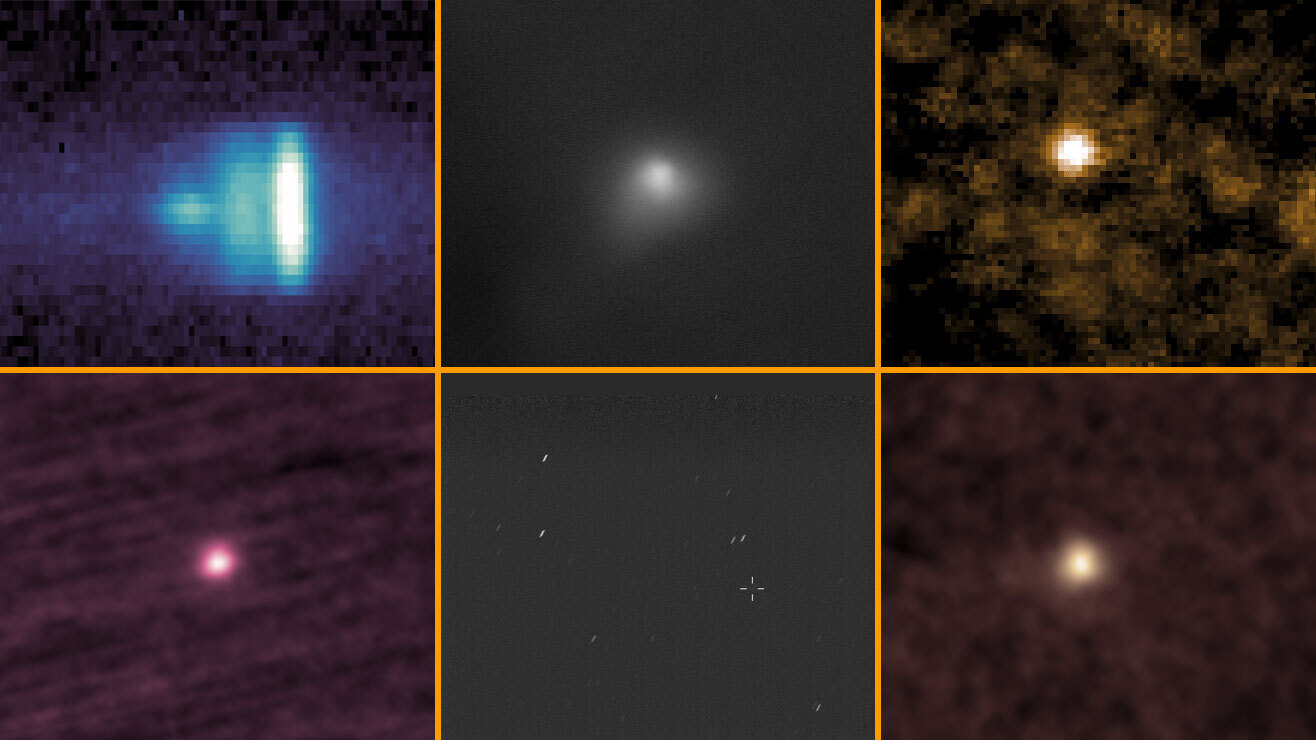
NASA’s role in studying interstellar objects goes much beyond just finding them in the first place. Once a potential object is found, scientists backed by NASA look at its orbit, brightness, composition, and behavior. To find out if the object’s path is indeed hyperbolic, we need to combine data from several observatories, both on the ground and in space.
NASA scientists would look at whether interstellar comet 3I ATLAS is moving faster than the Sun’s escape velocity and whether its direction of travel matches known star movements. If the object is showing signs of being a comet, spectroscopic examination can also be employed to investigate the gases and dust it releases. These observations help scientists figure out if the object has a lot of volatile materials and how it relates to comets that formed in our own solar system.
Why interstellar comets are important
Interstellar comets are very important to science because they are natural samples from other star systems. These objects come on their own and bring material that originated in distinct cosmic conditions. This is different from spaceship missions, which take decades of planning and a lot of money. Scientists learn more about how planetary systems arise and change over time by studying them.
If interstellar comet 3I ATLAS were real, it would be one of just a few known visitors from other stars. With each new object, astronomers have more data to work with, which lets them test their ideas about how often interstellar debris happens and how young planetary systems throw it out.
Comparing Visitors from Other Worlds
It helps to compare interstellar comet 3I ATLAS to other interstellar objects that have already been confirmed to better comprehend its context. The table below shows some of the most important traits that scientists look at.
| Object Name | Year Detected | Type | Key Characteristics |
|---|---|---|---|
| 1I/ʻOumuamua | 2017 | Likely asteroid-like | No clear coma, unusual shape and acceleration |
| 2I/Borisov | 2019 | Comet | Clear cometary activity, similar to solar system comets |
| 3I ATLAS (candidate) | Under study | Possible comet | Detected by ATLAS, orbit suggests interstellar origin |
This comparison highlights how each object adds to our understanding of science in a different way. Borisov confirmed that interstellar comets can look like those that develop near our Sun, whereas ʻOumuamua questioned what we thought we knew about comets. A verified 3I ATLAS would elucidate whether Borisov was representative or anomalous among interplanetary comets.
Problems with Observations
It’s hard to study interplanetary objects because they move so quickly and in ways that are hard to predict. It could be too late to stop an object like interstellar comet 3I ATLAS from getting too close to the Sun or leaving the solar system. This cuts down on the time that can be spent on close observations.
Astronomers need to move fast to set up telescope time and gather as much information as they can. NASA’s work with observatories across the world is very important to this process. Scientists can get a full picture of an object’s qualities before it gets too faint to see by quickly sharing information and talking to one other.
Physical and Chemical Properties
What are interstellar comets made of? This is one of the most crucial questions regarding them. Scientists can tell if there are gases like water vapor, carbon monoxide, and carbon dioxide in the air by looking at the light they give off or reflect. These measurements tell us about the temperature and conditions under which the object created.
If interstellar comet 3I ATLAS is actively outgassing, it would mean that icy materials like those in our solar system are widespread in other parts of the galaxy. On the other hand, differences in composition could mean that chemical processes around other stars are different.
What this means for planetary science
The study of interstellar objects has ramifications that beyond astronomy, including planetary science and astrobiology. These particles might have sophisticated organic components in them, which makes us wonder where the building blocks of life are in the universe. There is no proof that interstellar comets carry life, but their chemical makeup can help scientists come up with ideas about how organic substances move through space.
NASA is interested in things like the interstellar comet 3I ATLAS because they want to learn more about the cosmic environment that generated planets and, eventually, life. Every observation helps make models of how planetary systems arise and how stars exchange material more accurate.
Communication with the public and scientists
People are fascinated with interstellar visitors because they are a direct link to other parts of the galaxy. The media often talks about how obscure their origins are and how short their trips are, which might lead to speculation. NASA and the scientific community are vital for giving people accurate information and setting realistic goals.
When an item is still being studied, clear communication makes sure that phrases like “interstellar comet 3I ATLAS” are understood in context. Scientists assist the public understand both the thrill and the rigor of astronomical study by explaining what is known, what is still unknown, and how conclusions are reached.
What Will Happen Next in Finding Interstellar Objects
As new observatories come online, the pace at which interstellar objects are found is projected to rise. More advanced telescopes with larger fields of view and higher sensitivity will be able to see fainter and farther away things. NASA-funded missions and surveys will still be a big part of our work.
As detection technology gets better, the name “3I” may someday apply to more than one confirmed object, each of which will add a new chapter to the saga of exploring other star systems. The scientific process surrounding interstellar comet 3I ATLAS adds to the increasing area of interstellar investigations, whether or not it becomes an official entrance.
Conclusion
3I, an interstellar comet ATLAS is the latest development in astronomy, as scientists and the general public have talked about it. It shows how sophisticated survey systems like ATLAS, which NASA supports, can find and investigate things that come from far outside our solar system. These uncommon visits provide scientists a chance to study material from distant star systems and test ideas about how planets evolve on a cosmic scale.
Read More:-Sporting vs Vitória SC: Match Analysis and History