

Introduction
Giving your dog healthy food is more than just a trend or a marketing term; it’s a basic aspect of being a good pet owner. Dogs need a balanced diet to stay healthy, just as people do. It gives them energy, boosts their immune system, makes their bones strong, and keeps their coat shining. More and more dog owners are paying attention to what goes into their pets’ bowls. This has led to a growing interest in natural ingredients, home-cooked meals, and carefully chosen commercial diets. Knowing what foods are really good for dogs helps owners make choices that are good for their health in the short and long term.
Dogs are omnivores, which means they eat both plants and animals. They do best on a diet that combines both types of food. Their nutritional demands change depending on their age, size, breed, level of exercise, and health. Puppies need more protein and calories to grow, mature dogs need balanced meals to stay healthy, and older dogs need food that helps their joints and digestion. A healthy diet takes these changing needs into account and doesn’t include harmful additions, too many fillers, or dangerous foods.
This article goes into great length about healthy dog food, including the basics of nutrition, natural ingredients, homemade and store-bought food options, feeding habits, and new developments in dog nutrition. The purpose is to give dog owners a useful, easy-to-read resource that helps them make their pets’ lives better.
Understanding What Dogs Need to Eat
To feed your dog healthy food, you need to know what nutrients they really need. Proteins are the most important part of a dog’s diet since they help build muscle, heal tissue, and keep the immune system working. Chicken, fish, turkey, lamb, and eggs are all examples of animal-based proteins. These proteins are complete because they give dogs amino acids that they can’t make on their own.
Fats are another important part of a balanced diet for dogs. They give you a lot of energy and assist your skin, coat, and nutritional absorption. Omega-3 and omega-6 fatty acids are healthy fats that help lower inflammation and keep the brain healthy.
People often argue over whether or not dogs should eat carbs, but they can be a good source of energy if you choose the right ones. Whole grains, veggies, and fruits are good for your gut and digestion since they provide fiber, vitamins, and minerals. Dogs don’t need a lot of carbs, but a moderate amount from good sources can help make a balanced diet.
Vitamins and minerals are important for dogs’ health because they help with bone strength, neurological function, blood health, and metabolism. When given in the right levels, calcium, phosphorus, zinc, iron, and vitamins A, D, E, and B-complex are all very important. Water is just as vital since being hydrated influences digestion, circulation, and keeping your body at the right temperature.
Natural Ingredients That Are Good for Dogs
The quality of the ingredients is one of the most important things that makes food healthy for dogs. Dogs may absorb natural, minimally processed foods better because they keep more nutrients. High-quality dog food frequently has fresh meats as the main ingredient since they give the dog protein and fats that are good for them.
Carrots, pumpkin, spinach, and sweet potatoes are all vegetables that add fiber and antioxidants. These components are good for your digestion and help keep your blood sugar levels stable. You can add tiny amounts of fruits like apples, blueberries, and bananas to your diet to get natural vitamins and phytonutrients that help your immune system.
Brown rice, oats, and barley are whole grains that are often utilized in nutritious dog food to give them energy throughout time. Grain-free diets are becoming more fashionable, but grains are not bad for dogs in and of themselves unless they have a specific allergy or sensitivity. Instead of broad exclusion, the focus should always be on digestibility and quality.
Fish oil and flaxseed oil are two examples of healthy oils that are regularly added to dog food to make their skin and hair better. Dogs can’t make these fatty acids on their own, thus these oils are full of them. Sometimes, modest amounts of herbs like turmeric and parsley are added since they are good for your health and freshen your breath.
Choosing the Right Commercial Dog Food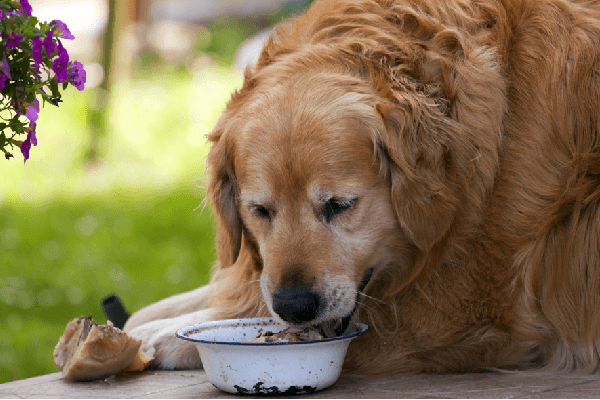
Commercial dog food is a big part of keeping dogs healthy, especially for owners who want something easy and reliable. There are pros and cons to each type of food: dry kibble, wet canned food, and semi-moist food. Dry food is easier to store and chewing it is good for your teeth. Wet food, on the other hand, has more moisture, which can help with hydration and taste.
When choosing commercial dog food, it’s important to read the labels on the ingredients. A good product has a recognized animal protein as the first ingredient and doesn’t have too many artificial colors, flavors, or preservatives. Most of the time, healthy dog food has clear ingredients instead of cryptic phrases. This helps make sure that the food is safe and good for your dog.
Another important thing to think about is life-stage formulas. Puppy food is made to help them grow quickly, adult food is made to keep their energy and muscle mass up, and senior recipes often have ingredients that help their joints and are reduced in calories. Picking food that fits a dog’s stage of life can help keep them from getting too fat or not getting enough nutrients.
The table below shows the main differences between common varieties of commercial dog food to assist owners make a choice.
| Type of Dog Food | Main Characteristics | Potential Benefits | Considerations |
|---|---|---|---|
| Dry Kibble | Low moisture, shelf-stable | Dental support, cost-effective | Requires adequate water intake |
| Wet Food | High moisture content | Improved hydration, taste | Higher cost, shorter shelf life |
| Fresh Cooked | Lightly cooked ingredients | High digestibility, freshness | Requires refrigeration |
| Raw Diet | Uncooked meats and produce | Natural texture, high protein | Needs careful handling |
Dog owners who want to be in charge of what their canines eat are making more and more homemade meals. Making healthy food for dogs at home lets you choose the ingredients and avoid extra chemicals. But you need to prepare carefully when making your own diets to make sure they are balanced.
A good homemade dog meal has a source of protein, a source of carbohydrates or fiber, healthy fats, and the right amount of vitamins and minerals. Chicken and turkey are examples of lean meats that are high in protein. Rice and vegetables are examples of digestible carbohydrates. Adding oils is good for your skin and coat, but you shouldn’t eat too much fat because it can make you gain weight.
One problem with making your own food is that it might be hard to make sure you get all the micronutrients you need all the time. For example, the balance of calcium and phosphorus is very important for bone health. Homemade diets might lead to deficits over time if you don’t take the right supplements. If you want to make sure that the nutritious food you make for your dog satisfies all nutritional guidelines, you should talk to a veterinary nutritionist.
The table below shows some typical ingredients used in homemade dog food and how they add to the dog’s nutrition.
| Ingredient | Nutritional Role | Health Benefit |
|---|---|---|
| Chicken | High-quality protein | Muscle maintenance |
| Brown Rice | Complex carbohydrates | Sustained energy |
| Carrots | Fiber and antioxidants | Digestive support |
| Fish Oil | Omega fatty acids | Skin and coat health |
To give your dog healthy food, you also need to know what not to give them. Some meals that are okay for people can be bad for dogs or even poisonous. People know that chocolate, onions, garlic, grapes, raisins, and fake sweeteners like xylitol are not safe to eat. These foods can hurt your organs, upset your stomach, or even kill you.
You should also stay away from highly processed foods that have too much salt, sugar, or bad fats. These kinds of meals can make dogs fat, give them diabetes, and hurt their hearts. Giving your dog table scraps on a daily basis might throw off their balanced diet and make them fussy eaters.
Bones, especially roasted ones, can choke you and break, which can hurt you inside. Some people do eat raw bones, but they aren’t necessary for a healthy diet and should be handled with care.
Feeding habits and controlling portions
Even the best food for dogs might cause difficulties if you don’t feed them the right way. Controlling portions is important to keep dogs from getting overweight, which is one of the most prevalent health problems they have. It’s crucial to change the size of your meals based on your size, age, and level of exercise because everyone has different calorie demands.
Setting a regular feeding plan helps keep digestion and behavior in check. Most adult dogs do well with two meals a day, but puppies need to eat more often. You should always have fresh water handy, especially when you feed your dog dry food.
Checking on your dog’s body condition is a good approach to see if their diet is right for them. A healthy dog has a waistline that is easy to see and ribs that are easy to feel but not easy to see. Changing the amount or type of food you eat based on what you see helps you stay healthy.
Dietary Needs and Conditions
Some dogs need special healthy food because of allergies, sensitivities, or health problems. Food allergies can cause skin irritation or digestive problems, and to find out what foods are causing the problems, people may need to go on elimination diets. In some circumstances, diets with few ingredients can be effective.
Dogs with diabetes, kidney illness, or joint problems can benefit from nourishment that is specific to their needs. Low-glycemic diets help keep blood sugar levels stable, while lower phosphorus levels assist keep kidneys healthy. Diets for older dogs often include glucosamine and omega fatty acids, which help keep joints healthy.
Working together with a vet makes sure that particular nutritional needs are met in a safe and effective way. In these cases, healthy food for dogs is quite specific to each dog and should be checked on often.
New Trends in Healthy Dog Food
As research and customer knowledge improve, dog food continues to change. More and more people are using services that deliver fresh food, make personalized meal plans, and use functional ingredients. These methods try to make healthy food for dogs that is right for their breed, age, and way of life.
Another new area of interest is sustainable sourcing, which includes sustainably raised proteins and packaging that is good for the environment. Researchers are looking into new protein sources that can help people with allergies and the environment while still being good for you.
Functional foods that have probiotics, prebiotics, and antioxidants are becoming more popular since they help with gut health and immunity. These changes show a bigger trend toward preventative treatment and overall health in pet feeding.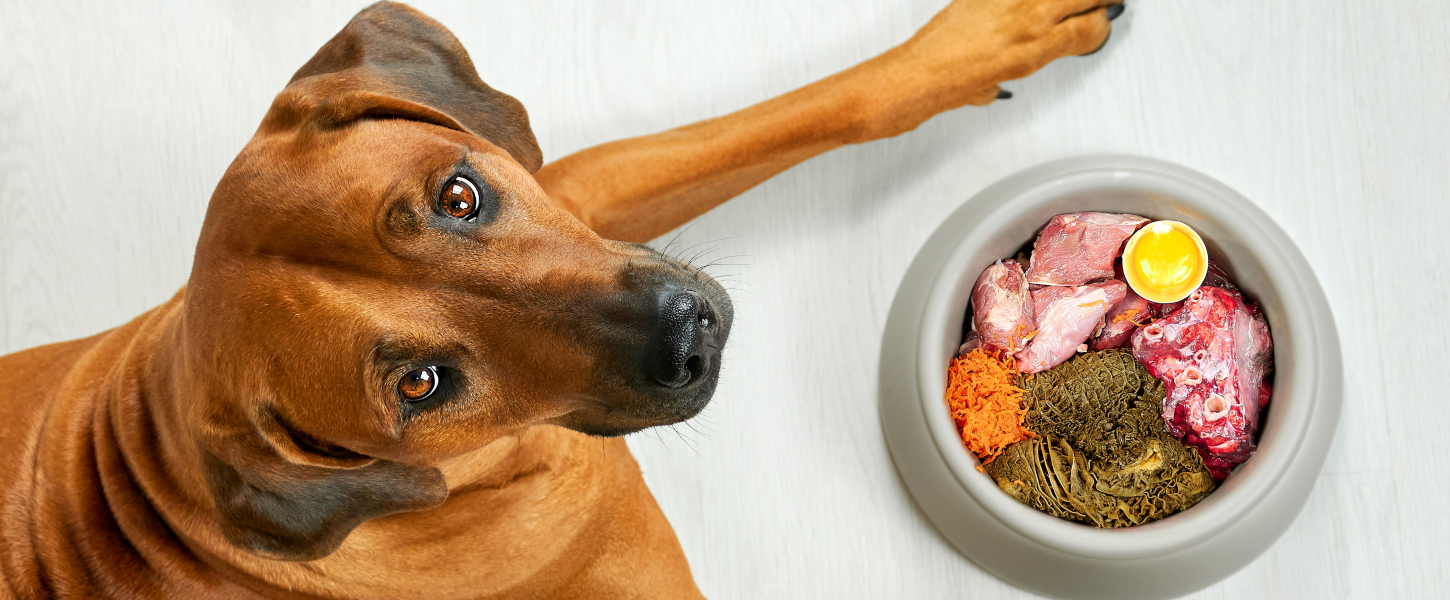
Conclusion
Giving dogs healthy food isn’t something you do once; it’s something you do all the time. As dogs become older and bigger, their nutritional needs alter. This means that their food and feeding habits need to be checked on a regular basis. Watching how your pet’s energy levels, coat condition, digestion, and overall demeanor change might help you figure out if a diet is working.