

Introduction
Healthy dinners are very important for being healthy since they help with digestion, sleep quality, and making sure the body gets the nutrients it needs after a hard day. Well-balanced, healthful dinners give your body the nutrients it needs without putting too much stress on your digestive system. If you do them regularly, they can help keep your blood sugar levels stable, help your muscles recover, and improve your health over time.
People today regularly skip or rush dinner, which leads to bad eating choices. But if you know how to plan healthy meals, you can turn this meal into a tremendous tool for health. This article goes into great detail about the idea of healthy dinners, including its relevance, the best foods to include, meal combinations, cooking methods, and new trends that make healthy dinners both tasty and long-lasting.
Knowing how healthy dinners fit into your daily diet
Eating less at night is not the only thing that makes dinners healthy. They are about eating well. Dinner should give you back the energy you expended during the day and get your body ready for sleep and restoration. Eating dinner gives your cells the nutrients they need to grow, balance hormones, and repair muscles, especially for people who are active.
A nutritious meal that is well-planned has the right amounts of macronutrients like proteins, carbs, and fats, as well as micronutrients like vitamins, minerals, and antioxidants. Dinner should be different from breakfast and lunch in that it should include lighter, more nutritious foods that don’t make you feel bad or keep you from sleeping.
Key Parts of Healthy Dinners
Whole foods that have been minimally processed are the building blocks of healthy dinners. These meals focus on whole foods that give you long-lasting energy and nutrients. Legumes, fish, eggs, tofu, and lean meats are all good sources of protein that help repair tissues and keep you full. Whole grains and vegetables are examples of complex carbs that contain fiber. Fiber helps digestion and keeps blood sugar levels stable. Seeds, nuts, and oils are good sources of healthy fats that help the brain work and the body absorb nutrients.
Staying hydrated is also very crucial at supper. Eating foods high in water, such vegetables and soups, improves digestion and keeps the body’s fluid equilibrium without adding too many calories.
The Best Macronutrient Balance for Healthy Dinners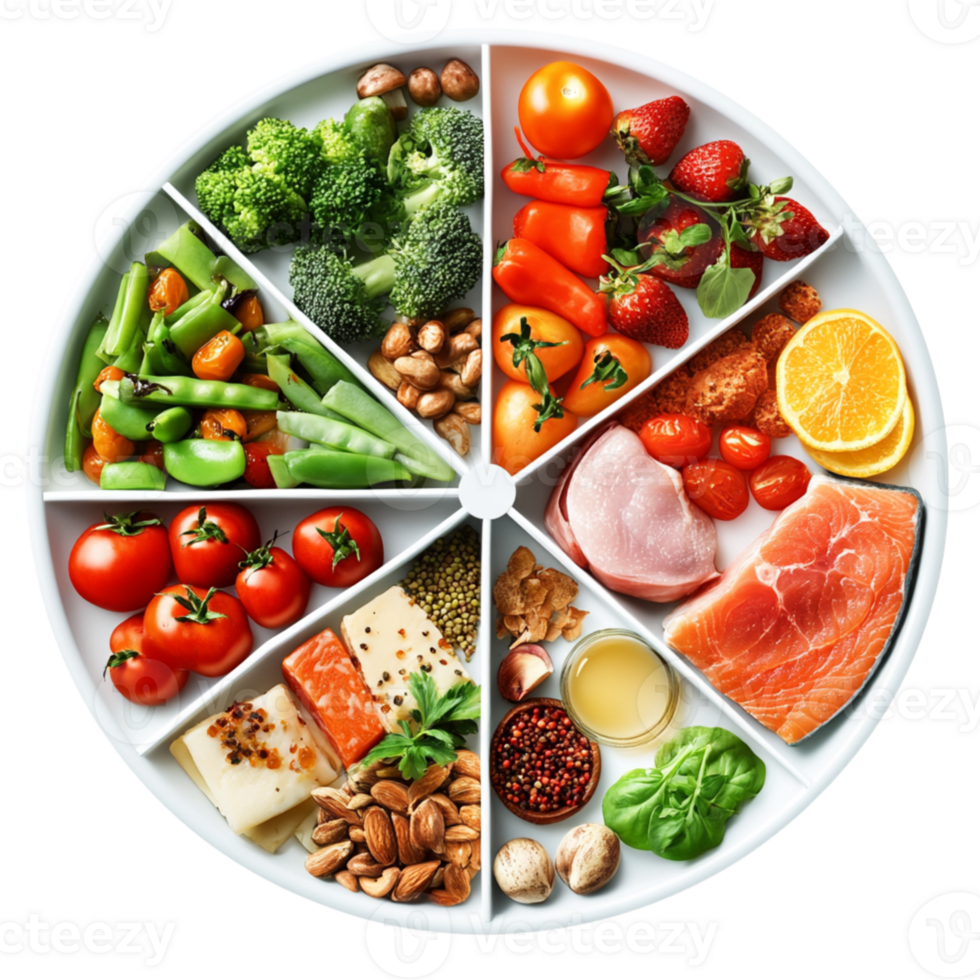
The nutrients in healthy dinners are not the same as those in earlier meals. Dinner should have a moderate number of calories and be full of nutrients. Eating a lot of carbs late at night might hurt your metabolic health, and not getting enough protein can keep your body hungry.
The table below shows a common macronutrient distribution that is thought to be best for healthy dinners.
| Nutrient Type | Approximate Share | Purpose in Healthy Dinners |
|---|---|---|
| Protein | 30–35% | Supports muscle repair and satiety |
| Complex Carbohydrates | 30–40% | Provides steady energy and fiber |
| Healthy Fats | 20–25% | Enhances nutrient absorption |
| Fiber | 8–10% | Improves digestion and gut health |
This balance makes sure that healthy dinners stay filling without being too heavy, which lets the body slumber well overnight.
When to eat and how much to eat for healthy dinners
The timing of healthy dinners has a big effect on how well you digest food and how well you sleep. Eating too late can mess up your body’s natural rhythms and make you feel sick. Eating too early can make you hungry at night. The best time to eat healthy dinners is two to three hours before bed, so that your body has enough time to digest them.
It’s also vital to control how much food you eat. Dinner should be more about quality than quantity. A reasonable portion with nutrient-dense foods stops overeating while still giving your body what it needs.
Ways to Cook That Help You Eat Healthy Dinners
The way food is cooked can have a big effect on how healthy it is. Cooking methods that keep nutrients and cut down on extra fats are good for healthy dinners. Steaming, grilling, baking, sautéing with little oil, and slow cooking are all ways to keep vitamins and minerals in food.
It’s important to avoid frying too much and cooking too long because these methods might destroy nutrients and add extra calories. Instead of heavy sauces or chemicals, herbs, spices, and natural flavors can make healthful dishes taste better.
Healthy Dinners and Your Digestive Health
One of the key goals of healthy dinners is to make your stomach feel good. Eating too much or too spicy food can make you feel bloated, give you acid reflux, or make it hard to sleep. Eating veggies high in fiber, fermented foods, and proteins that are easy to digest is good for your gut health and helps your body absorb nutrients better.
Soups and stews are great for healthy dinners because they are easy on the stomach and help you relax. Balanced meals also help the body make digestive enzymes, which makes the stomach and intestines work less hard.
Healthy Dinners for Keeping Your Weight Down
When prepared carefully, healthy dinners can help you lose weight. They help stop late-night munching and lower the number of calories you eat overall without making you lack nutrients. Protein- and fiber-rich meals make you feel full, which makes it simpler to keep a healthy weight.
Choosing healthy dinners instead of skipping dinner keeps the body fed and stops the metabolism from slowing down. Regular, balanced dinners are important for keeping your weight stable and your energy levels high over time.
Healthy Dinners Made with Plants
Plant-based healthy dinners are becoming more popular since they are good for the environment and your health. These meals are full of vegetables, whole grains, legumes, nuts, and seeds. They are naturally high in fiber, antioxidants, and phytonutrients that are good for your heart and digestion.
When planned correctly, healthy dinners made with plants have enough protein and other important nutrients. When you mix legumes with grains or seeds, you get a full amino acid profile, which makes these meals both healthy and filling.
Healthy dinners that are high in protein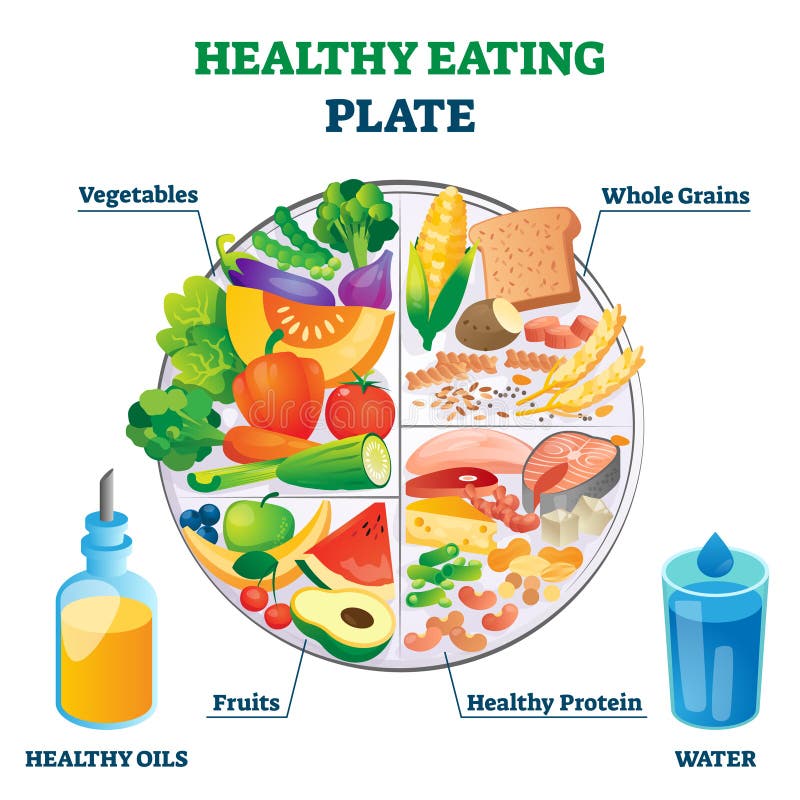
Protein is quite important in evening meals, especially for people who are trying to get fit or recuperate from a workout. Dinners that are healthy and include enough protein help repair tissues and keep muscle mass lean. Lean protein sources are better since they are easier to digest and have less saturated fat.
Adding protein to healthy dinners also helps keep appetite hormones in check, which makes it less likely that you’ll want to eat late at night. Getting the right amount of protein helps keep blood sugar levels constant all night.
Dinners that are good for families
For families, healthy dinners need to be tasty, easy to make, and good for you. Different age groups like meals that have a lot of colors, textures, and flavors. These meals also give you the nutrients you need. Healthy dinners that are good for the whole family generally include basic recipes that can be made quickly without losing any nutritional value.
Eating nutritious dinners together also helps people pay attention to what they eat and brings families closer together. Kids who eat balanced meals when they’re young are more likely to have good interactions with food.
Cultural Diversity in Healthy Meals
Healthy dinners can be good for you and still reflect your culture. Many traditional cuisines naturally follow the rules of healthy eating by focusing on whole foods, vegetables, grains, and spices. You may make traditional recipes healthier by using modern cooking methods without losing their authenticity.
Looking into different cultures’ healthy dinners can help people eat a wider variety of foods, which is good for gut health and getting enough nutrients.
What Micronutrients Do for Healthy Dinners
Vitamins and minerals are examples of micronutrients that are important for healthy diets. These nutrients help the immune system, bones, and metabolism. Including a wide range of vegetables and whole meals makes sure you get a lot of different micronutrients.
The table below shows some important micronutrients that are often included in healthy dinners and what they do for you.
| Micronutrient | Common Food Sources | Health Benefit |
|---|---|---|
| Magnesium | Leafy greens, legumes | Supports muscle relaxation |
| Potassium | Vegetables, grains | Regulates fluid balance |
| Iron | Legumes, greens | Supports oxygen transport |
| Vitamin C | Vegetables | Enhances immunity |
| B Vitamins | Whole grains | Supports energy metabolism |
Eating nutritious dinners that are balanced helps you get the micronutrients you need every day.
How healthy dinners can help your mental and emotional health
Healthy dinners are good for your mind and emotions as well as your body. Eating a healthy dinner at night helps you relax and get rid of the stress you’ve built up over the day. Balanced eating helps the body make neurotransmitters, which can affect mood and sleep quality.
Making and eating nutritious dinners regularly can also be a way to take care of yourself and bring steadiness and mindfulness to your everyday life.
New Trends in Healthy Dinners
New trends in healthy dinners are centered on sustainability, individuality, and simplicity. More and more people are eating seasonally, being careful about how much they consume, and knowing what’s in their food. A lot of people now put healthy and eco-friendly meals at the top of their list.
Technology has also had an impact on healthy dinners. Meal planning tools and nutritional understanding have made it easier to make balanced dinners every night.
How to Make Healthy Dinners a Habit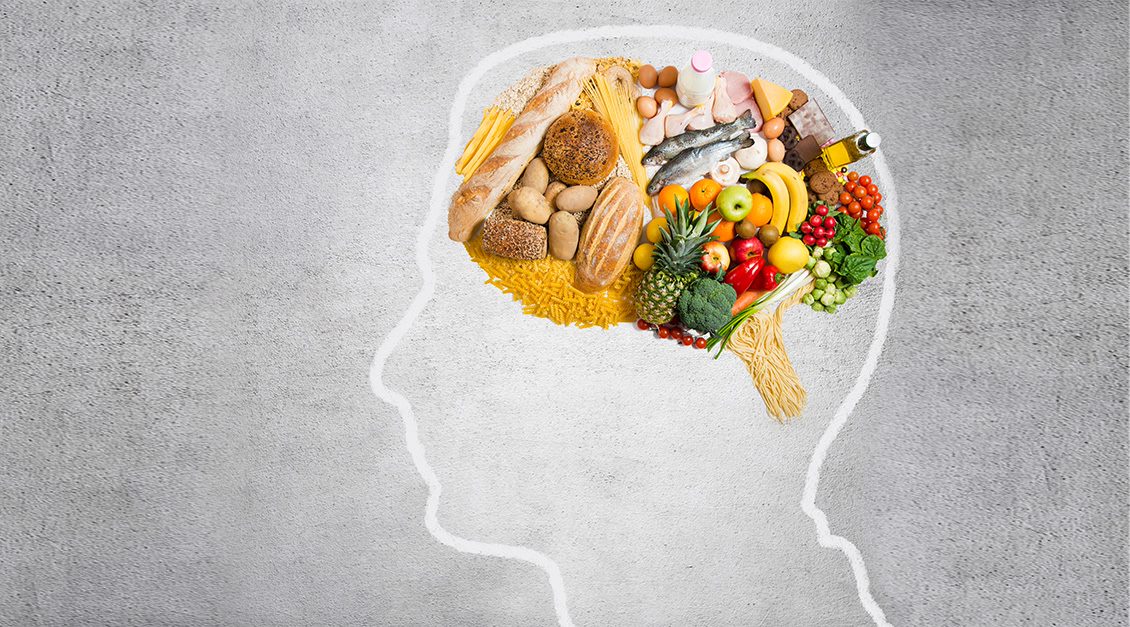
To get the most out of nutritious dinners, you need to be consistent. Planning meals ahead of time, using fresh products, and being open to change all make it easier to make healthy dinners a regular part of your life. Instead of trying to be flawless, you should focus on balance and variety to make sure you succeed in the long run.
Dinner should be healthy, tasty, and easy to change to fit different tastes and ways of life. When you do them on purpose, they become a key part of your total health and well-being.
Conclusion: The Long-Term Effects of Eating Healthy Dinners
A healthy dinner is more than just a meal at night. They are a chance to feed the body, soothe the mind, and help long-term health. nutritious meals can help with digestion, sleep, and keeping your energy levels up by concentrating on balanced nutrition, mindful quantities, and nutritious ingredients.
Add More:- Global Health Insurance Card UK: Complete Guide