
Introduction
In an increasingly interconnected world, access to healthcare should not be limited by borders, languages, or unfamiliar systems. Frequent travelers, international students, remote workers, and global families often face uncertainty when seeking medical treatment abroad. Different healthcare standards, lack of medical records, and insurance confusion can turn emergencies into stressful experiences. This is where the concept of a Global Health Card becomes transformative, offering a unified solution for worldwide medical access through a single, secure system.
The Global Health Card represents a modern approach to healthcare mobility. Instead of carrying stacks of documents, insurance papers, and medical history reports, individuals can rely on one card that connects them to essential health information and services wherever they go. As healthcare systems continue to evolve digitally, this card bridges the gap between countries and providers, ensuring continuity of care without compromising safety or privacy.
Understanding the Concept of a Global Health Card
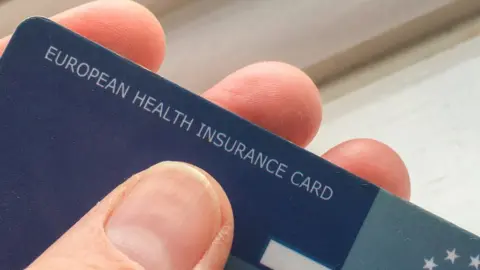
A Global Health Card is designed to function as a universal healthcare access tool. It stores or links critical medical information such as identity details, emergency contacts, allergies, chronic conditions, and previous treatments. When presented at participating hospitals or clinics, healthcare professionals can quickly understand a patient’s medical background, enabling faster and more accurate treatment decisions.
Beyond emergency use, the card supports routine healthcare needs while traveling or living abroad. Whether someone requires a prescription refill, a diagnostic test, or a specialist consultation, the card helps streamline the process. The idea is not to replace national healthcare systems but to complement them by providing a consistent access layer across borders.
Why Global Healthcare Access Matters Today
Global mobility has reached unprecedented levels. Millions of people travel internationally each day for work, education, tourism, or long-term relocation. Despite this movement, healthcare systems remain largely localized, creating gaps when individuals cross borders. Medical records often remain locked within national databases, and insurance coverage may not extend internationally.
The Global Health Card addresses this mismatch between mobility and healthcare infrastructure. It enables continuity, ensuring that essential health data follows the individual rather than staying confined to one country. This continuity reduces misdiagnosis risks, prevents duplicate testing, and improves patient safety during emergencies. In a globalized society, healthcare access must be as mobile as the people who need it.
Key Benefits of a Global Health Card
One of the most significant advantages of the Global Health Card is convenience. Instead of navigating unfamiliar healthcare systems during stressful situations, cardholders gain quicker access to care. Doctors can view relevant medical details instantly, saving valuable time when every minute matters.
Security is another critical benefit. Modern global health cards rely on encrypted digital systems, ensuring sensitive medical information remains protected. Access is typically controlled and granted only to authorized healthcare providers. This balance between accessibility and privacy builds trust among users and institutions alike.
Cost efficiency also plays a role. By reducing repeated tests and unnecessary procedures, the card helps minimize healthcare expenses. For travelers and expatriates, this can mean fewer out-of-pocket costs and smoother insurance claims, making healthcare more predictable and manageable abroad.
How the Global Health Card Works in Practice
When a cardholder visits a medical facility, the Global Health Card is presented physically or digitally. The healthcare provider scans or verifies the card, gaining access to the patient’s authorized medical profile. This profile may include past diagnoses, ongoing treatments, medication history, and insurance details, depending on the system’s design.
The process is designed to be simple and fast. Instead of lengthy paperwork, patients can focus on receiving care. Healthcare providers benefit from accurate information, improving treatment outcomes. In emergencies where patients may be unconscious or unable to communicate, the card becomes a lifesaving tool by providing immediate access to critical health data.
Technology Behind Global Health Cards

The foundation of the Global Health Card lies in advanced digital technologies. Secure cloud storage, encrypted databases, and interoperability standards ensure data can be shared safely across systems. Some platforms integrate biometric verification or two-factor authentication to prevent misuse.
Interoperability is particularly important. Healthcare providers use different software systems worldwide, and a global solution must communicate effectively with them. By adhering to international health data standards, the card enables seamless integration, ensuring information remains accurate and accessible regardless of location.
Impact on Travelers and Global Professionals
For frequent travelers, the Global Health Card offers peace of mind. Medical emergencies abroad can be overwhelming, especially when language barriers and unfamiliar procedures are involved. Having a single card that communicates essential health information reduces uncertainty and stress.
Global professionals and digital nomads also benefit significantly. As work becomes more location-independent, people expect healthcare access to follow them. The card supports this lifestyle by offering continuity, whether someone is working in one country for a month or relocating for several years. It ensures healthcare remains consistent, reliable, and efficient.
Role in Emergency Situations
Emergencies highlight the true value of a Global Health Card. In critical moments, delays caused by missing medical history or unclear allergies can be dangerous. With immediate access to verified health data, emergency responders and doctors can make informed decisions quickly.
The card can also store emergency contact information, allowing healthcare providers to notify family members promptly. This feature is especially important for solo travelers or individuals living far from home, reinforcing the card’s role as a comprehensive safety tool.
Supporting Preventive and Long-Term Care
While emergencies often capture attention, long-term and preventive care are equally important. The Global Health Card supports regular checkups, chronic condition management, and follow-up treatments across borders. Patients can maintain consistent care plans even when moving between countries.
Preventive healthcare becomes more effective when medical histories are complete and accessible. Doctors can identify patterns, monitor progress, and recommend timely interventions. Over time, this leads to better health outcomes and reduced strain on healthcare systems.
Challenges and Considerations
Despite its advantages, implementing a Global Health Card system comes with challenges. Data privacy regulations vary widely between countries, requiring careful compliance and coordination. Building trust among users and institutions is essential for widespread adoption.
Technical challenges also exist, including system integration and standardization. However, as digital health initiatives grow globally, these obstacles are gradually being addressed. Collaboration between governments, healthcare providers, and technology companies plays a crucial role in overcoming these barriers.
The Future of Global Healthcare Access
The Global Health Card represents a step toward a more connected healthcare ecosystem. As technology advances and international cooperation increases, such solutions are likely to become more common. Future versions may include real-time health monitoring, AI-driven insights, and broader insurance integration.
Ultimately, the vision is simple yet powerful: healthcare that travels with you. By removing borders from medical access, the card supports healthier, more confident global mobility. It aligns healthcare systems with the realities of modern life, ensuring people receive the care they need, wherever they are.
Conclusion
The Global Health Card is more than a convenience; it is a response to the changing nature of global movement and healthcare needs. By providing secure, seamless, and reliable access to medical information worldwide, it empowers individuals and supports healthcare professionals alike. From emergencies to everyday care, the card enhances safety, efficiency, and peace of mind.
As global mobility continues to grow, solutions like the Global Health Card will play an essential role in shaping the future of healthcare. One card, one system, and worldwide medical access is no longer just an idea—it is a practical step toward truly global health security.
Frequently Asked Questions (FAQ)
Q: What is a Global Health Card used for?
A: A Global Health Card is used to provide quick and secure access to essential medical information and healthcare services across different countries, especially during travel or relocation.
Q: Is the Global Health Card accepted worldwide?
A: Acceptance depends on participating healthcare providers and regions. However, the system is designed to work internationally and continues to expand through partnerships.
Q: Does the Global Health Card replace health insurance?
A: No, it does not replace insurance. Instead, it complements insurance by simplifying access to medical information and supporting smoother healthcare experiences.
Q: Is my medical data safe with a Global Health Card?
A: Yes, reputable Global Health Card systems use strong encryption and access controls to protect personal and medical data.
Q: Who benefits most from a Global Health Card?
A: Frequent travelers, international students, expatriates, digital nomads, and global professionals benefit the most, as it ensures continuity of healthcare across borders.
Read More:- Healthy Food Chart: A Simple Guide to Daily Nutrition