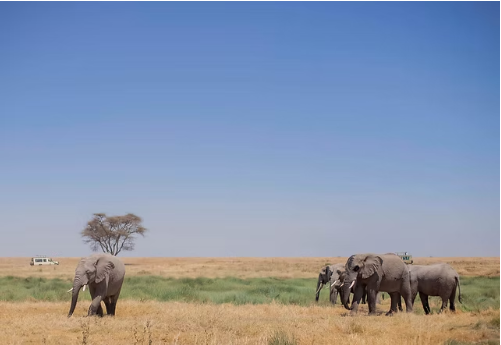

Tanzania stands as one of Africa’s most extraordinary safari destinations, offering an unparalleled blend of wildlife spectacles, diverse ecosystems, and authentic wilderness experiences. From the vast plains of the Serengeti to the wildlife-rich crater floor of Ngorongoro, an African safari Tanzania promises encounters that will remain etched in your memory forever.
Why Choose Tanzania for Your African Safari
Tanzania encompasses nearly 945,000 square kilometers of East African splendor, with over 25% of its land dedicated to wildlife conservation. This commitment to preservation has created one of the most pristine safari experiences on the continent. The country hosts the largest concentration of wild animals in Africa, including the famed Big Five: lions, leopards, elephants, buffalo, and rhinoceros.
The Tanzanian government’s dedication to sustainable tourism ensures that visitors can witness nature in its most authentic form. Unlike more commercialized destinations, many areas of Tanzania remain wonderfully untouched, offering intimate wildlife encounters away from crowds. The country’s tourism infrastructure strikes an ideal balance between comfort and authenticity, with accommodation options ranging from luxury lodges to traditional tented camps that bring you closer to the sounds of the African bush.
The Serengeti: Heart of the Wilderness
The Serengeti National Park represents the quintessential African safari experience. Spanning approximately 14,750 square kilometers, this UNESCO World Heritage Site derives its name from the Maasai word “Siringet,” meaning “endless plains.” The landscape lives up to this description, with golden grasslands stretching to the horizon, punctuated by rocky outcrops known as kopjes and ribbons of acacia-lined rivers.
The Serengeti’s claim to fame is undoubtedly the Great Migration, often called the greatest wildlife show on Earth. Each year, over two million wildebeest, accompanied by hundreds of thousands of zebras and gazelles, undertake a circular journey through the ecosystem in search of fresh grazing and water. This ancient procession follows seasonal rainfall patterns, creating dramatic river crossings where predators lie in wait and survival becomes a matter of split-second decisions.
Beyond the migration, the Serengeti maintains year-round populations of predators, including an estimated 3,000 lions, making it one of the best places on the planet to observe these magnificent cats. Cheetahs patrol the open plains with elegant precision, while leopards drape themselves across tree branches in the late afternoon sun. The park’s diverse habitats support everything from massive elephant herds to the smallest dung beetles, each playing a vital role in the ecosystem’s delicate balance.
Ngorongoro Crater: The Garden of Eden
The Ngorongoro Conservation Area presents a geological wonder that defies expectations. The Ngorongoro Crater, formed when a massive volcano exploded and collapsed on itself approximately two to three million years ago, now forms the world’s largest intact volcanic caldera. Measuring 610 meters deep and covering 260 square kilometers, the crater floor functions as a natural wildlife arena.
Descending the crater’s steep walls feels like entering a lost world. The crater floor supports a permanent population of roughly 25,000 large animals, creating one of the densest concentrations of wildlife in Africa. Black rhinoceros, among the continent’s most endangered species, find sanctuary here, offering visitors a rare opportunity to observe these prehistoric-looking creatures. The crater’s soda lake attracts flamingos by the thousands, painting the shoreline in shades of pink.
What makes Ngorongoro particularly special is its self-contained ecosystem. The crater walls create natural boundaries that keep most herbivores resident year-round, which in turn supports a stable predator population. Lions here have grown accustomed to the abundant prey, while hyena clans stake out territories with fierce determination. The Lerai Forest provides shade and browsing opportunities for elephants, whose tusks tend to be impressively large due to the mineral-rich volcanic soils.
Tarangire National Park: The Elephant Kingdom
While the Serengeti and Ngorongoro capture most headlines, Tarangire National Park offers an equally compelling safari experience with its own unique character. Named after the Tarangire River that flows through it, this park becomes especially magical during the dry season from June to October when wildlife concentrations rival those of better-known reserves.
Tarangire is an elephant country. During peak season, herds numbering in the hundreds gather along the river, creating unforgettable scenes as families bathe, play, and interact with complex social dynamics on full display. The park’s landscape differs dramatically from the Serengeti, dominated by distinctive baobab trees that dot the savanna like ancient sentinels. These trees, some over a thousand years old, provide food and shelter for numerous species.
The park also harbors healthy populations of lions, leopards, and cheetahs, along with impressive numbers of buffalo and various antelope species. Birdwatchers find Tarangire particularly rewarding, with over 550 species recorded, including endemic species found nowhere else in the world. The park’s relatively compact size makes it easier to cover significant ground in a day, maximizing wildlife viewing opportunities.
Lake Manyara: Diverse Ecosystems in Miniature
Lake Manyara National Park demonstrates how diverse ecosystems can exist within a relatively small area. Stretching along the base of the Great Rift Valley escarpment, the park encompasses groundwater forest, acacia woodland, open grasslands, and the alkaline lake itself, each habitat supporting distinct wildlife communities.
The park’s groundwater forest creates a cathedral-like atmosphere, where ancient mahogany and fig trees provide canopy coverage and troops of baboons and blue monkeys move through the branches. This is also famous territory for tree-climbing lions, an unusual behavior that has become synonymous with Manyara. Scientists debate why these lions take to the trees, with theories ranging from escaping biting insects to gaining a better vantage point for spotting prey.
Lake Manyara itself, occupying roughly two-thirds of the park’s area, fluctuates seasonally but consistently attracts enormous flocks of flamingos and other water birds. Hippos spend their days wallowing in the shallows, while the surrounding areas support good numbers of elephants, buffalo, and the endangered Masai giraffe. The compact nature of the park makes it an excellent choice for shorter safari itineraries or as an addition to longer northern circuit tours.
Planning Your Tanzanian Safari: Practical Considerations
Timing your African safari Tanzania significantly impacts what you’ll witness. The dry season from late June through October offers the most comfortable weather and easiest wildlife viewing, as animals concentrate around permanent water sources and thinner vegetation improves visibility. This period also coincides with the dramatic river crossings of the Great Migration in the northern Serengeti.
However, the wet season from November through May has its own advantages. Landscapes transform into lush green carpets, migratory birds arrive in spectacular numbers, and many animals give birth, attracting predators and creating dynamic hunting scenarios. Accommodation rates typically drop during these months, and fewer tourists mean more exclusive experiences. The short rains in November and December are generally light, while the long rains from March to May can be more substantial but interspersed with beautiful clear days.
Safari styles in Tanzania vary to suit different preferences and budgets. Traditional game drives in specially modified 4×4 vehicles with pop-up roofs remain the most popular option, allowing you to cover significant distances while staying protected from the elements. Walking safaris, available in certain areas, offer an entirely different perspective, connecting you with the smaller details of the ecosystem and teaching bush skills like tracking and reading animal signs.
For those seeking unique experiences, hot air balloon safaris over the Serengeti provide breathtaking aerial views of the migration and predator-prey interactions, followed by champagne breakfasts in the bush. Night drives, where permitted, reveal the secretive world of nocturnal animals rarely seen during daylight hours. Fly-in safaris maximize time efficiency for visitors on tight schedules, using small aircraft to hop between parks and eliminating long overland transfers.
Cultural Encounters: The Maasai People
No African safari in Tanzania is complete without engaging with the Maasai people, whose traditional territories overlap with many of the country’s premier wildlife areas. The Maasai have coexisted with wild animals for centuries, developing deep ecological knowledge and maintaining semi-nomadic pastoralist lifestyles despite modern pressures.
Responsible cultural tourism programs allow visitors to visit Maasai villages, known as bomas, where community members share aspects of their daily lives, traditions, and challenges. These encounters provide context for conservation efforts and demonstrate how wildlife protection must balance with the needs of local communities. Many lodges employ Maasai warriors as guides, combining their traditional tracking skills with formal wildlife training to enhance the safari experience.
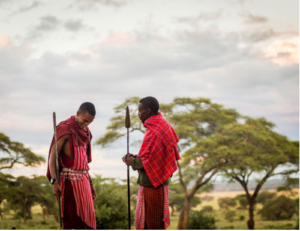
The Maasai’s distinctive red shukas (traditional cloth wraps), elaborate beadwork, and age-old rituals create memorable cultural moments. However, it’s essential to choose ethical tour operators that ensure fair compensation for communities and avoid exploitative “human zoo” experiences. Genuine cultural exchanges benefit both visitors and local people, fostering mutual understanding and supporting sustainable livelihoods.
Conservation Challenges and Triumphs
Tanzania’s safari industry exists within a complex conservation landscape facing numerous challenges. Human population growth creates pressure for agricultural expansion into wildlife areas, while poaching, though significantly reduced in recent years, remains a threat to elephants and rhinos. Climate change alters rainfall patterns, potentially affecting the timing of the Great Migration and vegetation cycles that support herbivore populations.
Despite these challenges, Tanzania demonstrates global leadership in conservation. Anti-poaching efforts have intensified, utilizing technology like drones and advanced surveillance alongside community-based conservation programs that give local people economic incentives to protect wildlife. Several parks have seen dramatic recoveries in elephant populations, and black rhino numbers are slowly increasing through intensive protection and breeding programs.
Community conservation areas, where local people maintain land rights while managing wildlife resources, represent an innovative approach that benefits both people and animals. Revenue-sharing schemes direct tourism income into community projects like schools, medical clinics, and water infrastructure, creating tangible benefits from conservation and reducing human-wildlife conflict. Visitors contribute directly to these efforts through park fees and by choosing operators committed to sustainable practices.
Accommodation: From Luxury to Authentic Bush Camps
Tanzania’s safari accommodation spectrum accommodates every style and budget. Luxury lodges offer five-star comfort in the wilderness, with amenities including infinity pools overlooking waterholes, gourmet cuisine, spa treatments, and private guides. These properties often feature architectural designs that blend into the landscape while maximizing wildlife viewing opportunities from the comfort of your room.
Tented camps provide more authentic safari experiences without sacrificing comfort. Semi-permanent tented camps feature spacious canvas accommodations with proper beds, en-suite bathrooms, and often surprisingly sophisticated amenities. Mobile camps take authenticity further, moving seasonally to follow wildlife concentrations, particularly during the migration. These camps offer intimacy with nature, where canvas walls separate you from the sounds of the African night.
Budget camping safaris make Tanzanian adventures accessible to more travelers, using basic campsites within or near parks. While accommodations are simpler, the wildlife viewing remains equally spectacular, and traveling with a smaller budget often means joining like-minded adventurers and sharing experiences around the campfire. Many budget operators maintain high standards for guiding and safety while keeping costs manageable.
Beyond the Northern Circuit: Hidden Gems
While the northern safari circuit captures most attention, Tanzania offers extraordinary wilderness experiences in lesser-known areas. The Selous Game Reserve (now Nyerere National Park), one of Africa’s largest protected areas, provides walking safaris and boat-based wildlife viewing along the Rufiji River in a region seeing far fewer visitors than the north.
Ruaha National Park, Tanzania’s largest national park, offers rugged, remote safari experiences with excellent predator viewing and massive elephant herds. The park’s baobab-studded landscape and the Great Ruaha River create dramatic scenery, while the relative lack of tourism infrastructure means truly wild encounters.
For chimpanzee tracking, the western circuit presents opportunities to visit Gombe Stream and Mahale Mountains National Parks, where habituated chimpanzee communities can be observed in dense forests along Lake Tanganyika’s shores. These parks offer completely different experiences from traditional savanna safaris, combining primate encounters with beautiful lake scenery.
Key Takeaways
An African safari Tanzania represents one of the world’s premier wildlife experiences, combining exceptional animal viewing with diverse landscapes and rich cultural encounters. The Serengeti’s Great Migration, Ngorongoro Crater’s concentrated wildlife, and the elephant herds of Tarangire create unforgettable moments that justify Tanzania’s reputation as a top-tier safari destination.
Success on safari requires thoughtful planning around seasonal variations, with the dry season offering optimal viewing conditions but the wet season providing its own unique advantages at lower costs. The variety of safari styles, from traditional game drives to walking safaris and balloon flights, means experiences can be tailored to individual preferences and physical capabilities.
Tanzania’s commitment to conservation, despite facing significant challenges, ensures that future generations will continue to witness these natural wonders. By choosing responsible tour operators and understanding how tourism supports both wildlife and local communities, visitors contribute positively to conservation efforts while creating memories that last a lifetime.
Whether you’re watching lions on the hunt, witnessing wildebeest plunge into crocodile-infested rivers, or simply absorbing the profound silence of the African wilderness under star-filled skies, Tanzania delivers safari experiences that fulfill the deepest travel dreams. The connection forged between visitors and this ancient landscape often proves transformative, creating passionate advocates for wildlife conservation and leaving hearts permanently captive to Africa’s wild places.
Frequently Asked Questions
What is the best time to visit Tanzania for safari?
The best time depends on your priorities. June through October offers the dry season with excellent wildlife viewing, comfortable weather, and the dramatic Serengeti river crossings. January and February are ideal for witnessing calving season in the southern Serengeti. The wet season (November to May) provides lush landscapes, fewer tourists, lower prices, and excellent birdwatching, though some roads may become challenging.
How many days should I spend on safari in Tanzania?
A minimum of five to seven days allows you to experience the highlights of the northern circuit without feeling rushed. This typically includes the Serengeti, Ngorongoro Crater, and one additional park like Tarangire or Lake Manyara. Ten to fourteen days enables a more comprehensive experience with time for multiple parks, rest days, and potential additions like cultural visits or Zanzibar’s beaches.
Is Tanzania safe for safari tourists?
Yes, Tanzania is generally very safe for safari tourists. The safari regions have low crime rates, and professional guides prioritize visitor safety around wildlife. Standard precautions apply in urban areas like Arusha and Dar es Salaam. Always follow guide instructions around animals, as wildlife encounters require respect and caution despite how accustomed animals may appear.
Do I need vaccinations for Tanzania?
Yellow fever vaccination is required if arriving from yellow fever endemic countries. Malaria prophylaxis is strongly recommended for most safari areas. Routine vaccinations should be current, and additional immunizations like hepatitis A, typhoid, and tetanus are often advised. Consult a travel medicine specialist six to eight weeks before departure for personalized recommendations.
What should I pack for a Tanzanian safari?
Essential items include neutral-colored clothing (khaki, olive, beige), lightweight layers for variable temperatures, a warm jacket for early morning game drives, comfortable walking shoes, sun protection (hat, sunglasses, sunscreen), insect repellent, binoculars, and camera equipment with extra batteries and memory cards. Many lodges offer laundry services, so you can pack light.
Can I see the Great Migration year-round?
The migration is a continuous cycle, so wildebeest can be seen throughout the year in different locations. December to March finds herds in the southern Serengeti for calving season. April to June sees movement north and west. July to October features dramatic river crossings in the northern Serengeti and Kenya’s Masai Mara. November marks the return south. Timing your visit to specific migration events requires careful planning with knowledgeable operators.
What is the difference between a lodge and a tented camp?
Lodges are permanent structures, typically offering more space, amenities, and infrastructure like swimming pools and electricity throughout the day. Tented camps feature canvas accommodations that range from basic to ultra-luxurious, providing a more authentic bush experience with closer proximity to nature. Both can offer excellent comfort and wildlife viewing opportunities, with the choice depending on personal preference for authenticity versus amenities.