

Introduction
Eating well is not only a fad or a short-term diet option. They are a long-term way to nourish the body, keep your mind clear, keep your energy levels up, and lower your risk of diseases caused by your lifestyle. In today’s fast-paced world, people often choose foods based on how easy they are to get rather than how healthy they are. This makes it more necessary than ever to know what makes a meal healthy and how to include them in your daily life without stress or confusion.
This tutorial looks at the idea of healthy meals from both a practical and a scientific point of view. It talks about why they are important, how they affect mental and physical health, and how anyone can make healthy meals using simple rules instead of rigorous ones. Healthy meals are a big part of staying healthy for a long time, whether your objective is to lose weight, improve your digestion, boost your immune system, or keep your energy up.
What Healthy Meals Really Mean
Healthy meals are those that give the body the proper amounts of important nutrients while keeping out items that are bad for health. Healthy meals don’t just count calories; they also focus on the quality, balance, and nutrient density of the food. A meal is nutritious if it include a lot of different natural nutrients that help the body do things like repair muscles, boost metabolism, keep the brain active, and protect the immune system.
Eating veggies or not eating sweets isn’t the only thing that makes a meal nutritious. It means knowing how carbs, proteins, lipids, vitamins, minerals, and water all work together to give the body energy. When these parts are put together in a smart way, meals are more filling, easier to digest, and good for your health in the long run.
Why Healthy Meals Are Important in Today’s World
People today generally work long hours, don’t walk around much, and are under a lot of stress. Because of these things, the body needs better nutrition. Eating healthy meals can help you keep your blood sugar stable, focus better, control your hunger, and feel better emotionally. On the other side, bad eating choices can make you tired, moody, have stomach problems, and cause long-term inflammation.
Eating healthy meals on a regular basis also lowers the risk of getting sick with things like obesity, heart disease, type 2 diabetes, and digestive problems. Eating healthy foods on a regular basis helps the body heal itself, keep hormones in balance, and deal with stress every day.
The Basic Parts of a Healthy Meal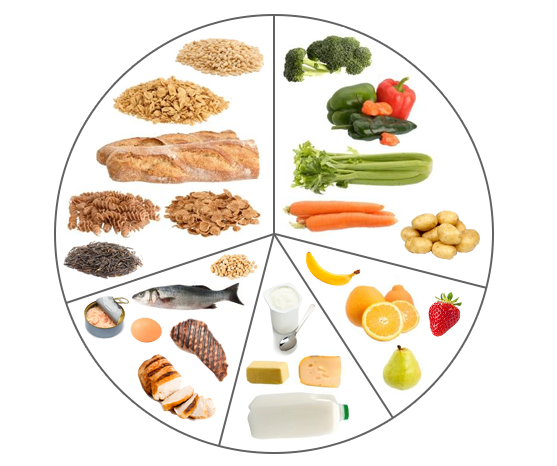
Meals that are good for you are based on balance, not extremes. Every part of a meal has a specific job to do to help keep you healthy and full of energy.
Carbohydrates are the main source of energy for the body and brain. Whole carbs like grains, fruits, and vegetables give you a constant stream of energy instead of quick bursts and drops.
Proteins are important for making enzymes, repairing muscles, and keeping the immune system healthy. Eating healthy meals with enough protein helps you feel full and keeps your metabolism healthy.
Fats are very important for making hormones, absorbing nutrients, and keeping the brain working. Healthy meals have fats from natural sources that are good for your heart and brain.
Vitamins and minerals control many biological processes and keep the body from getting too little of them. You can get these micronutrients best from a variety of entire foods instead of just pills.
Water helps with digestion, circulation, keeping your body temperature stable, and getting rid of toxins. Hydration is an important part of good meals and overall nutrition, even though it isn’t food.
What Portion Awareness Does for Healthy Meals
Portion awareness is just as important as food choices when it comes to healthy meals. Eating too much of even healthy meals might cause an imbalance. Being aware of portion sizes helps you eat the right amount of food for your body, which stops you from overeating while yet making you feel full.
It’s crucial to pay attention to your body’s hunger and fullness signals when making healthy meals. Eating slowly and with purpose helps the digestive system work well and keeps you from eating too many calories. This method helps people have a more natural relationship with food over time.
How healthy meals help you have more energy and get more done
One of the best things about eating healthily is that it gives you energy all day long. Meals that include complex carbs, protein, and healthy fats help keep blood sugar levels constant, which stops the energy dips that sometimes happen after eating highly processed foods.
People who eat healthy meals on a regular basis generally say they have better focus, better memory, and less tiredness in the afternoon. This is especially crucial for students, professionals, and anyone whose everyday tasks need them to be mentally clear and perform well all the time.
Meals that are good for you and your digestion
The quality and variety of the food you eat has a big effect on your digestive health. Eating healthy meals that are high in fiber helps the bacteria in your gut, makes your bowel movements more regular, and makes you feel better. A healthy digestive system helps you absorb nutrients, boosts your immune system, and makes you feel more alive overall.
When meals are too processed or don’t have enough fiber, digestion might slow down, which can cause bloating, irregularity, or inflammation. Eating healthy meals helps bring balance back to the digestive tract and keeps the gut healthy for a long time.
Table: Important Nutrients That Are Often in Healthy Meals
| Nutrient Type | Primary Function | Common Natural Sources |
|---|---|---|
| Carbohydrates | Energy production | Whole grains, fruits, vegetables |
| Protein | Muscle repair and immunity | Legumes, dairy, lean meats |
| Healthy Fats | Brain and hormone health | Nuts, seeds, oils |
| Fiber | Digestive support | Vegetables, fruits, grains |
| Vitamins | Cellular protection | Fresh produce |
| Minerals | Bone and nerve function | Whole foods |
When you eat meals is really crucial for how nutritious they are for you. Eating at regular times helps keep your metabolism in check and your energy levels stable. Not eating meals or eating at strange times can cause you to eat too much later and make your digestion go wrong.
Eating healthy meals early in the day will help you control your blood sugar and digestion better. Eating lighter, more nutrient-dense meals at night can help you sleep better and recover faster overnight.
Meals that are good for you at different times in your life
Healthy meals can be changed to meet the needs of people at different phases of life. Kids need meals that are full of nutrients to help them grow and develop their brains. Adults need meals that keep their energy levels up, their muscular mass up, and their metabolism in balance. Older folks typically need meals that help their bones, stomach, and immune system.
Even though there are variances, the basic idea behind nutritious meals stays the same. Eating whole foods, getting the right nutrients, and being aware of portion sizes are important at any age.
How culture and tradition affect healthy meals
Every culture’s food can include healthy meals. Traditional diets frequently focus on using seasonal foods, cooking at home, and using natural methods to prepare food. These techniques are very similar to what modern nutrition research says.
Healthy meals can be both culturally relevant and good for your health if you change traditional recipes and pay attention to how you cook and how much you eat. This method promotes long-term adherence to good eating habits and sustainability.
| Aspect | Balanced Healthy Meals | Imbalanced Meals |
|---|---|---|
| Nutrient variety | High diversity | Limited diversity |
| Energy levels | Stable and lasting | Short-lived |
| Digestive comfort | Improved digestion | Frequent discomfort |
| Satiety | Long-lasting fullness | Rapid hunger |
| Long-term health | Supports wellness | Increases health risks |
What you eat can have an effect on your mental health as well as your physical health. Eating healthy meals helps your body make neurotransmitters, lowers inflammation, and keeps your mood steady. Not getting enough of the right nutrients in your diet might make you irritable, unmotivated, and unable to focus.
Making and eating healthy meals also helps you feel in control and take care of yourself. Over time, this good relationship with food might help you feel less stressed and more emotionally stable.
Healthy meals that last are good habits
Eating healthy is most helpful when it is part of a habit that lasts. Too many rules can lead to burnout, yet flexible and fun eating habits might help you stay on track. Planning meals ahead of time, cooking at home when you can, and putting quality foods first all make it easier to eat healthy.
Instead of trying to be perfect, you may make healthy meals a normal part of your life by working on small changes over time. These practices build on one other over time and have long-term health benefits.
What Healthy Meals Will Look Like in the Future
As people learn more about nutrition, healthy meals are becoming easier to find and more tailored to their needs. Improvements in food science, farming methods, and nutrition education are making it possible for people to eat healthful meals that are also easy and fun.
People’s ideas about food are changing because of technology, changes in lifestyle, and a greater understanding of the world. But the basic rules for nutritious eating stay the same. Good nutrition is still based on balance, diversity, and eating mindfully.
Conclusion: Making Healthy Meals a Part of Your Life
Eating well isn’t about limiting yourself or setting short-term goals. They show a careful way to keep the body and mind healthy for the rest of your life. Anyone can make meals that help with energy, digestion, mental clarity, and long-term health by paying attention to balance, food quality, and consistency.
Add More:- Apply for a Free UK Global Health Insurance Card Guide