
Introduction
You may now get healthy meal recipes that aren’t just for diet regimens or short-term fitness goals. They are now a necessary aspect of modern life, helping with energy, immunity, mental clarity, and long-term health. As life gets faster and food choices are more complicated, people are looking for meals that are simple, healthy, and tasty all at the same time. Healthy food recipes do just that by using complete ingredients, cooking methods that are good for you, and tastes that please without going overboard.
This article looks at healthy food dishes from a whole-person point of view. It talks about what makes a recipe really nutritious, how the ingredients work together to help the body, and how to create daily meals into nutrient-rich experiences. The focus here is on sustainability, variety, and fun, not on limits.
Learning the Basics of Healthy Food Recipes
The ideas behind healthy eating recipes help the body meet its inherent needs. Some of these rules are to use ingredients that are as little processed as possible, to balance macronutrients, and to keep nutrients by cooking them in the right way. A nutritious dish doesn’t depend on what’s popular right now; it depends on basic nutritional logic.
Whole grains provide you energy that lasts, vegetables give you vitamins and minerals, fruits bring natural sweetness and antioxidants, proteins help muscles mend, and healthy fats help your body absorb nutrients better. When these things are put together in a smart way, meals are both good for you and taste good.
The way you cook is also very important. Steaming, sautéing with little oil, slow cooking, and baking all help keep nutrients while bringing out the natural flavors. Healthy food recipes try to help digestion and avoid adding things that aren’t needed, which makes meals easier for the body to handle.
How fresh ingredients help you cook healthy food
Fresh ingredients are the most important part of all healthy meals. Fresh fruits and vegetables, whole grains, legumes, nuts, seeds, and unprocessed proteins all have natural tastes and are good for you. Fresh meals also cut down on the need for too much sugar, salt, or artificial flavor enhancers.
When cooks use fresh ingredients, they can taste the cuisine as it is. When you boil veggies the right way, they get sweeter and deeper. Whole grains give texture and flavor, and herbs and spices make things more interesting without adding calories. This method makes meals that feel decadent but are nonetheless good for you.
Fresh foods also make you more creative in the kitchen. You can use one vegetable in soups, stir-fries, salads, and baked dishes, which shows how easy it is to change healthy food recipes to fit your tastes.
Everyday healthy food recipes can help you get the right amount of nutrients.
A key part of healthy food recipes that work is that they have balanced nutrition. Carbohydrates provide you energy, protein helps you build and repair muscle, fats help you absorb food and feel full, and micronutrients help your body work as a whole.
Whole grains and veggies provide carbohydrates that give you constant energy instead of surges. Proteins from plants or animals help keep your muscles strong and your metabolism healthy. Nuts, seeds, oils, and avocados all have fats that are good for your brain and hormones.
Healthy food recipes don’t aim for perfection; they aim for consistency. Eating a balanced diet most of the time is more better for your long-term health than following rigorous short-term eating plans.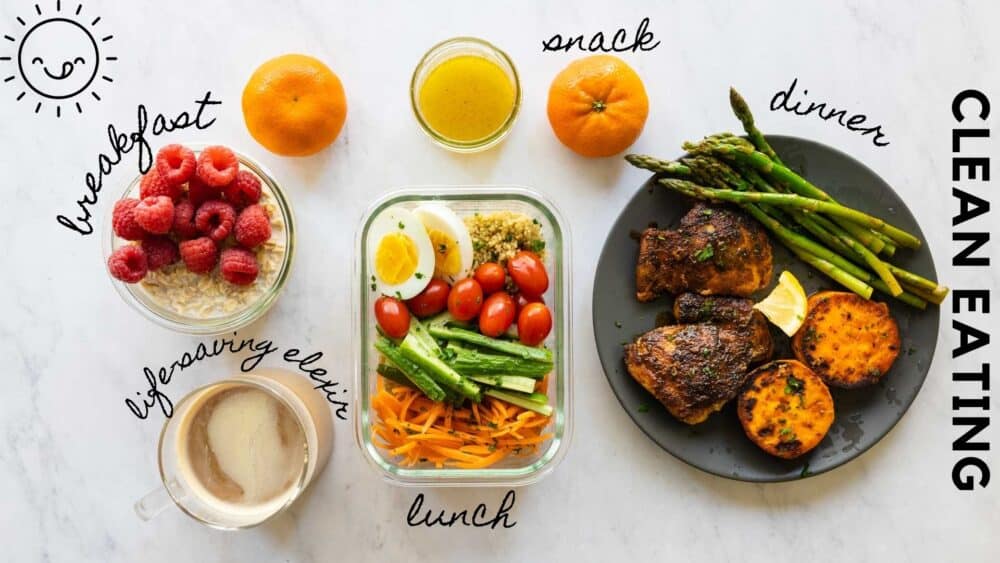
Popular Types of Healthy Food Recipes
There are various useful groups of healthy food recipes that are based on how people eat every day. These groups make it easier for consumers to plan meals and make sure they get a variety of nutrients.
Healthy Recipes for Breakfast
Breakfast sets the mood for the rest of the day. Breakfast ideas for healthy foods frequently include fiber, protein, and natural carbs. Some choices are oatmeal made with healthy grains and fruit, omelets made with vegetables, or smoothies made with nuts and seeds. These meals provide you energy that lasts and help you avoid snacking on harmful foods later in the day.
Lunch and meals that are good for you in the middle of the day
Healthy lunch meals that focus on balance and digestion. Grain bowls, vegetable-rich stews, and protein-packed salads are all examples of meals that fill you up without weighing you down. Adding colorful vegetables to meals makes them look good and gives you a lot of different nutrients.
Dinner Recipes for Rest and Recovery
Healthy dishes for dinner often use lighter cooking methods and tastes that calm you down. Warm veggies, beans, lean meats, and mild spices help with digestion and relaxation. These meals help the body heal from stress while keeping the number of calories low before bed.
Cooking Methods That Make Healthy Recipes Even Better
How food is cooked has a big effect on how healthy it is. Healthy food recipes include methods that keep vitamins and minerals while making meals taste better.
Steaming keeps nutrients that dissolve in water, notably in vegetables. Controlled heat while sautéing keeps the texture and flavor. Baking and roasting bring out the natural sweetness without adding sugar. Slow cooking lets flavors develop while keeping the food soft and easy to digest.
Healthy food dishes keep both nutrition and delight by using the proper method for each component. This shows that health and flavor may go hand in hand.
Table: Basic Ingredients Used in Recipes for Healthy Food
| Ingredient Group | Nutritional Benefit | Common Uses in Recipes |
|---|---|---|
| Whole Grains | Sustained energy and fiber | Porridge, bowls, flatbreads |
| Vegetables | Vitamins and antioxidants | Soups, stir-fries, salads |
| Fruits | Natural sugars and nutrients | Smoothies, desserts, snacks |
| Proteins | Muscle repair and satiety | Curries, grills, salads |
| Healthy Fats | Nutrient absorption | Dressings, cooking, spreads |
This table shows how important ingredient groupings are for making healthy, balanced meals and how they may be used in a variety of dishes.
Why it’s important to be aware of portion sizes
Healthy food recipes don’t just tell you what to eat; they also tell you how much to eat. Eating too much of even nutrient-dense meals might make them less healthy. Knowing how much to eat helps keep meals satisfying without putting too much strain on the body.
You don’t have to measure exactly to be aware of portions. Putting vegetables next to grains and meats on the plate is a natural way to support moderation. Mindful eating is a big part of many healthy food recipes. They tell individuals to eat gently and pay attention to when they are satisfied.
Recipes for healthy food that fit different ways of life
You may easily change healthy food recipes to fit your lifestyle and tastes. Some people like meals that are mostly plants, while others like meals that have animal proteins in them. Some people care more about losing weight, while others care more about gaining muscle or keeping their digestive system healthy.
Simple meals that don’t take long to prepare help keep things the same when you’re busy. Adaptable meals let families make changes without having to put in extra work. Healthy food recipes are meant to be versatile, so they may be used by people from different cultures and with different needs.
Table: Example Daily Meal Plan with Healthy Food Recipes
| Meal Time | Focus Area | Example Meal Concept |
|---|---|---|
| Morning | Energy and focus | Whole grains with fruit and seeds |
| Midday | Balance and nourishment | Vegetable-rich grain bowl |
| Evening | Recovery and digestion | Warm legumes with vegetables |
This table shows how easy it is to plan a whole day of healthy eating with healthy meal recipes.
Healthy cooking that doesn’t skimp on flavor
A lot of people think that healthy meal dishes don’t taste good. They really use herbs, spices, and natural cooking methods instead of fake ones. Turmeric, cumin, ginger, basil, and coriander are among spices and herbs that bring flavor and health benefits.
Lemon or vinegar’s natural acidity makes food taste better without adding heavy sauces. Roasting and slow cooking bring forth the natural sweetness. These methods make healthy food recipes taste like a treat while still being good for you.
The Mental Health Benefits of Healthy Food Recipes
Recipes for healthy foods are also good for your mental health. Cooking at home helps you be more conscious and creative. Eating well-balanced meals helps keep your mood and energy levels stable all day.
When people choose foods that are good for their health, they frequently feel more confident and less stressed about eating. Healthy food recipes help people have a good connection with food by focusing on nourishment instead of restriction.
Healthy Food Recipes and Sustainability
Eating well is really important for the environment. Recipes for healthy cuisine generally use ingredients that are in season and grown nearby, which is better for the environment. Meals that are plant-based are good for both your health and the environment.
Another part of healthy cooking that is good for the environment is finding inventive ways to use up leftovers. It’s easy to use leftover veggies and meats in soups, stews, and grain-based dishes, which makes healthy food recipes useful and responsible.
Making Your Own Healthy Food Recipes
To make your own healthy food recipes, you need to know the basic rules instead of following stringent ones. A good base is choosing complete foods, balancing nutrients, and employing simple cooking methods.
Trying out different spices, textures, and seasonal fruits and vegetables keeps things interesting and stops monotony. As time goes on, cooking becomes second nature, and nutritious meals don’t feel like chores anymore; they feel like a natural way to live.
Table: Popular Ways to Cook and How They Affect Your Health
| Cooking Method | Nutrient Retention | Suitable Foods |
|---|---|---|
| Steaming | High | Vegetables, grains |
| Baking | Moderate to high | Roots, proteins |
| Sautéing | Moderate | Vegetables, legumes |
| Slow Cooking | High | Beans, soups |
This table shows how different ways of cooking affect how well healthy food recipes work.
The Long-Term Benefits of Eating Healthy Foods
Following healthy meal recipes all the time helps you stay healthy in the long run. Some of the benefits are better digestion, more steady energy levels, better weight control, and a stronger immune system. Over time, people tend to like natural flavors more, which makes them less dependent on processed meals.
Instead of making short-term improvements, healthy eating recipes help people make long-term changes. They promote a lifestyle that is both realistic and gratifying by focusing on balance and enjoyment.
In conclusion, healthy food recipes can be a way of life.
Healthy eating recipes are not only a list of meals. They show that you can eat in a way that is good for you, tastes good, and is good for the environment. Anyone may add healthy meals to their daily lives by focusing on fresh foods, balanced nutrition, mindful quantities, and easy cooking methods.
Add More:- Healthy Food for Dogs: Nutrition, Diet, and Care